
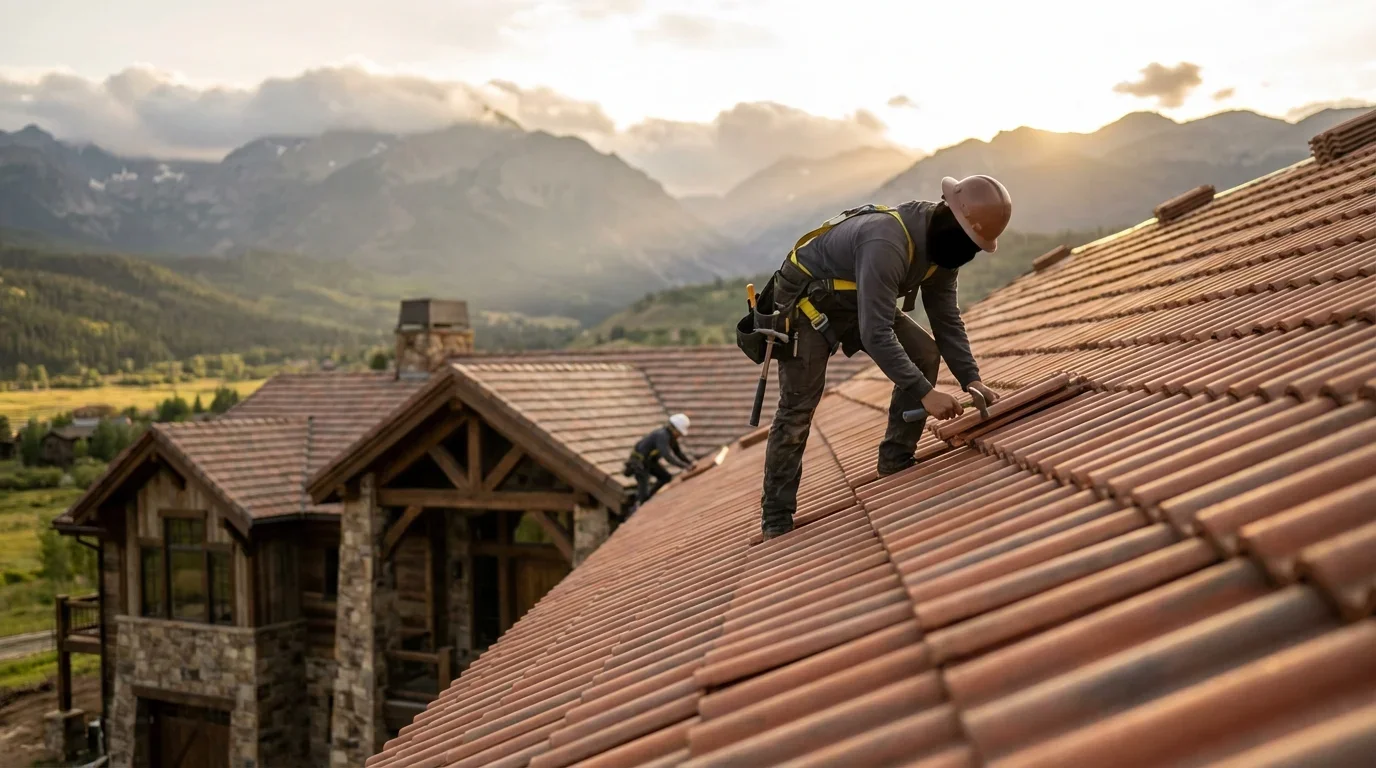
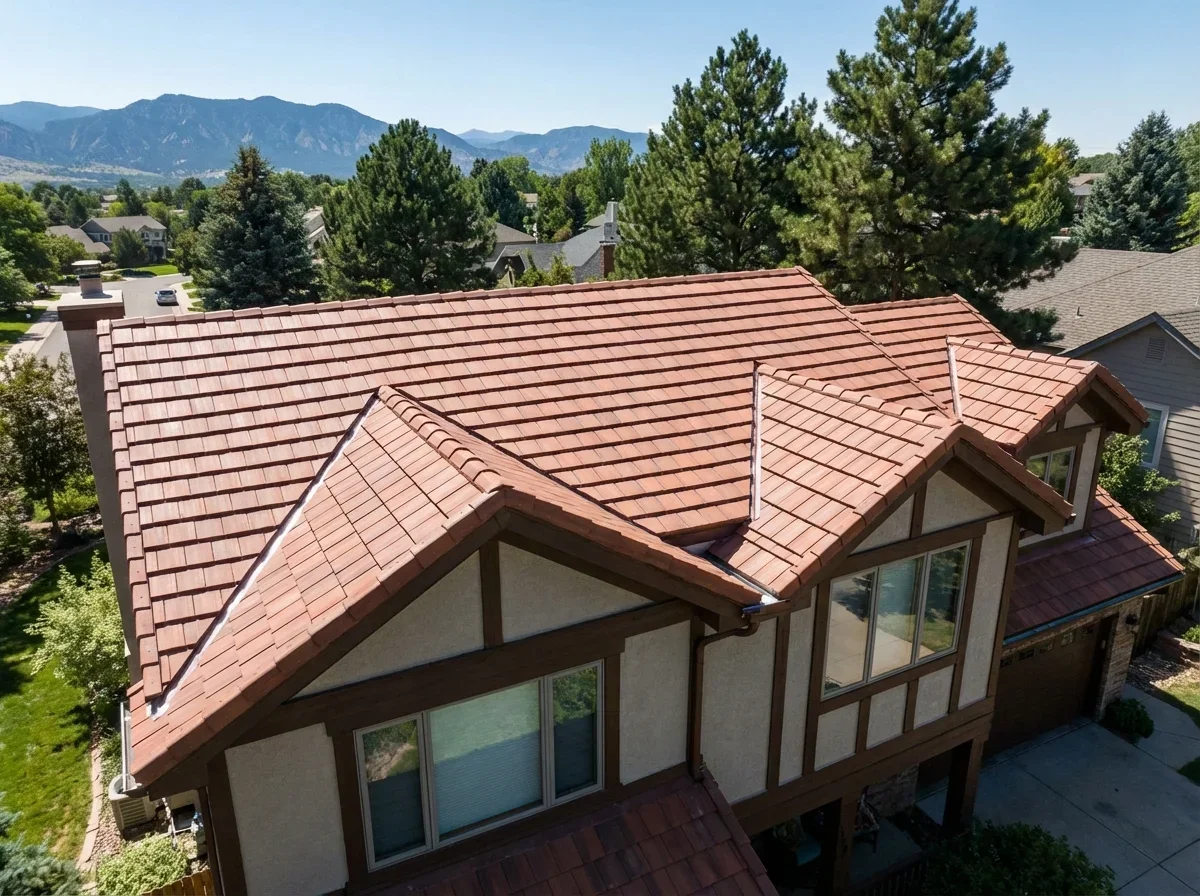
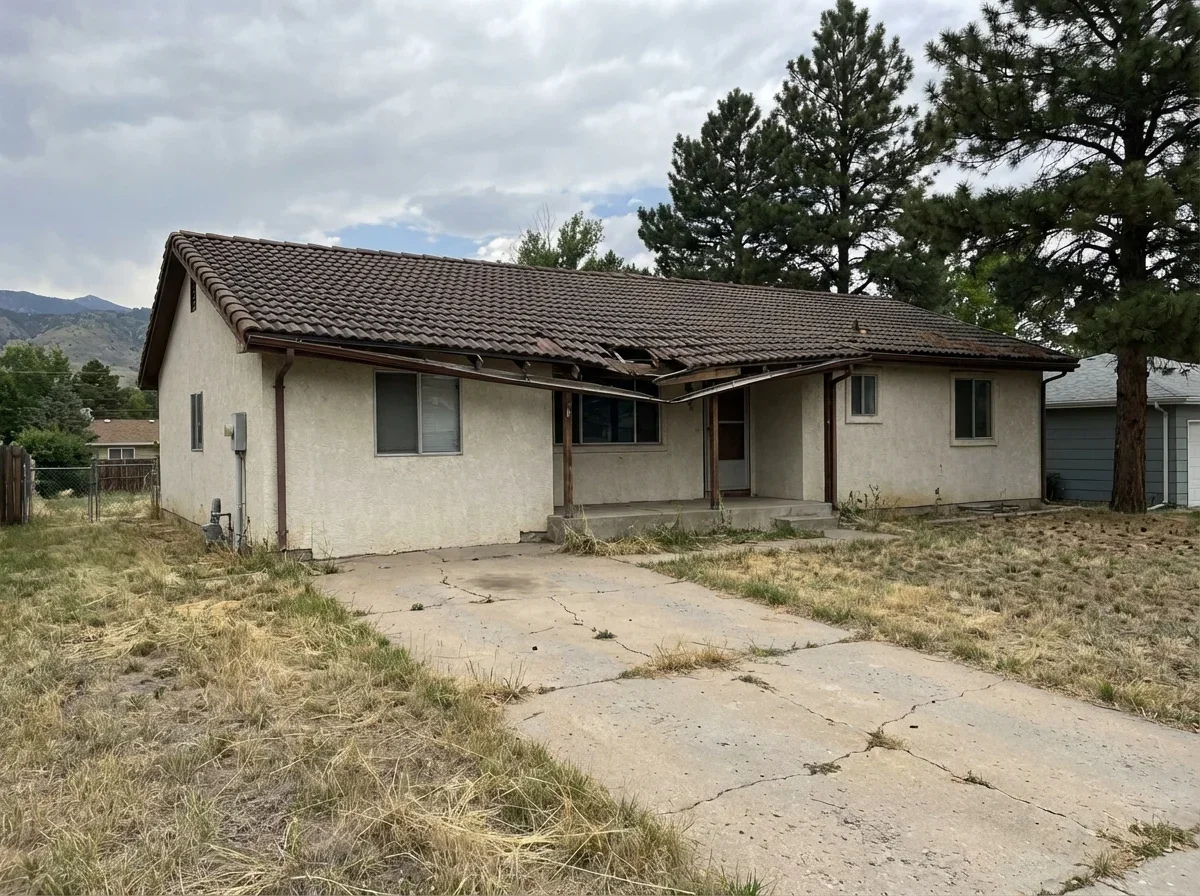
Tile roofing offers exceptional durability and distinctive aesthetic appeal for Colorado homes, with concrete and clay tiles lasting 50+ years in the state's climate. Tile roofs excel in high-altitude UV protection and fire resistance, making them ideal for wildfire-prone areas. Find qualified Colorado tile roofing contractors with experience in proper underlayment installation and structural considerations for tile's additional weight.
Featured Contractors
View all →




When Does Your Colorado Home Need Tile Roofing?
Tile roofing makes sense for new construction or full roof replacements — not partial repairs or overlays. You're evaluating tile if your existing roof has reached end-of-life (asphalt shingles in Colorado typically fail after 15-20 years due to UV degradation), if you're building in a wildfire-risk zone requiring Class A fire ratings, or if HOA covenants in neighborhoods like Castle Pines or Briargate mandate Mediterranean or Spanish architectural styles.
Tile isn't a reactive fix. It's a planned upgrade.
Unlike asphalt shingle roofing, which you can install over one layer of existing material, tile requires complete tear-off and often structural reinforcement to support the weight (concrete tile adds 850-1,100 lbs per square, clay adds 900-1,200 lbs).
Tile roofs require structural evaluation before installation. A standard 2x6 rafter system designed for asphalt shingles cannot safely carry concrete or clay tile without decking reinforcement or truss upgrades.
New construction timelines allow for proper structural design. Replacement projects in Aurora or Lakewood require engineering certification that existing framing meets snow load and tile weight requirements simultaneously.
What Does Tile Roofing Cost in Colorado?
Tile roofing runs $15-$30 per square foot installed in Colorado's Front Range corridor. That's 2-3x the cost of asphalt shingles, but amortized over 50+ years instead of 18-22 years.
| Material Type | Cost per Sqft Installed | Lifespan | Weight (lbs/sqft) |
|---|---|---|---|
| Concrete Tile | $15-$22 | 50+ years | 8.5-11 |
| Clay Tile | $22-$30 | 60+ years | 9-12 |
| Synthetic Tile | $12-$18 | 40-50 years | 3.5-5 |
Installation and Structural Reinforcement Costs
A 2,000 sqft roof replacement in Thornton or Arvada breaks down as:
- Tear-off and disposal: $3,000-$4,500 (tile roofs generate more debris than asphalt)
- Structural reinforcement: $4,000-$8,500 (decking upgrades, truss reinforcement if needed)
- Underlayment and flashing: $2,500-$4,000 (higher-grade materials required for tile)
- Tile material and installation: $30,000-$60,000 (varies by material choice)
- Permits and inspections: $800-$1,200 (Denver municipal fees run higher)
Total project cost: $40,000-$78,000 for a standard home.
Synthetic tile installations on structurally adequate roofs land at the lower end ($24,000-$36,000).
Long-Term Cost Comparison
Amortized over lifespan, tile costs $0.30-$0.50 per sqft per year vs $0.85-$1.10 for asphalt shingles. Clay tile in Greeley installed in 1975 routinely survives today with minimal maintenance. The same roof would have consumed 2-3 asphalt replacements.
Class 4 impact-resistant tile qualifies for 15-28% homeowners insurance premium reductions, adding $200-$450 annual savings in hail-prone zones.
Get Colorado-specific pricing based on material, region, and roof size.
The Tile Roof Installation Process
Tile installation follows strict sequencing. Shortcuts during underlayment or flashing stages cause premature failures that waste the material's 50-year potential.
Structural Assessment and Reinforcement
Before any material arrives, a structural engineer evaluates your roof framing. Colorado's 30 psf ground snow load (50+ psf in mountain zones) combined with tile weight requires verification.
Most pre-2000s homes in Denver and Colorado Springs need decking upgrades. Typically that means adding 5/8" OSB sheathing over existing planks or upgrading to 3/4" plywood. Budget 3-5 days for reinforcement work on a standard 2,000 sqft home.
Underlayment and Flashing Installation
Underlayment determines long-term waterproofing. For roof slopes between 2.5:12 and 4:12, Denver building codes mandate double underlayment — a Type I base layer plus secondary membrane.[1]
Steeper roofs (common in Boulder and Fort Collins) require minimum 36" wide Type I felt or synthetic underlayment. Batten strips install next, spaced per manufacturer specs (typically 13-14" on center for concrete tile). These horizontal wood strips support the tile.
Pikes Peak Regional Building Department requires a dry-in inspection after underlayment and step-flashing installation but before any tile is stocked on the roof.[2]
Schedule this mid-roof inspection early. Tile delivery can't proceed until signoff.
Tile Layout and Installation
Installers work bottom-to-top in horizontal courses. Clay and concrete tiles interlock via lugs and are mechanically fastened (nails or screws) through pre-drilled holes. Synthetic tiles often use clip systems. Hip and ridge caps require mortar bedding or proprietary dry-set systems.
Expect 7-12 days for installation on a typical 2,500 sqft home. Tile work doesn't rush.
Final Inspection and Code Compliance
Municipal inspectors verify fastener spacing, flashing integration, and wind uplift resistance. Grand Junction and Pueblo inspections confirm compliance with IRC R905.3 standards for tile attachment in high-wind zones (Colorado sees 70+ mph gusts during chinook events).
How to Choose a Tile Roofing Contractor in Colorado
Tile installation errors compound over decades.
Vet contractors through verifiable credentials, not marketing claims.
Questions to Ask
- "Show me your Denver municipal licensing or local permit history." Denver requires Supervisor Certificates; Parker mandates contractor licensing for all roofing work.[3] Verify active status.
- "Which tile manufacturer certifies your crew?" Eagle, Boral, and Ludowici run installation training programs. Ask for certification numbers and expiration dates.
- "Who performs the structural engineering evaluation?" Contractor's brother-in-law doesn't count. Require a PE-stamped letter confirming load capacity.
- "What's your underlayment spec for a 3:12 pitch roof?" Correct answer references double underlayment requirements per IRC R905.3.2 for low-slope applications.
- "How do you handle tile breakage during installation?" Reputable contractors stock 8-12% overage and replace broken tiles immediately — not at final walkthrough.
- "What triggers your warranty exclusions?" Synthetic tile warranties often exclude wind-driven hail or impose maintenance requirements (annual inspections, debris removal).
Red Flags
- Quotes that skip structural assessment ("your roof looks fine")
- Pressure to choose concrete over clay without explaining weight/cost tradeoffs
- No mention of mid-roof dry-in inspection scheduling
- "Lifetime warranty" claims without manufacturer backing or transferability details
Colorado Roofing Association (CRA) membership signals industry engagement. Cross-reference contractors against how to verify a Colorado roofing contractor licensing databases and manufacturer directories. Compare multiple tile-certified contractors through our directory to find qualified pros in Longmont, Pueblo, or your area.
Frequently Asked Questions
- City and County of Denver Community Planning and Development. "Roofing Guidelines and Checklist." https://denver.prelive.opencities.com/files/assets/public/v/4/community-planning-and-development/documents/ds/inspections/roofing_guidelines_and_checklist.pdf. Accessed April 08, 2026.
- Pikes Peak Regional Building Department. "Roofing Guidelines." https://www.pprbd.org/File/ByAlias/ReroofGuidelines. Accessed April 08, 2026.
- Town of Parker Building Division. "Re-Roofing Requirements." https://www.parkerco.gov/DocumentCenter/View/738/Roofing-Requirements-Handouts?bidId=. Accessed April 08, 2026.
Related Articles
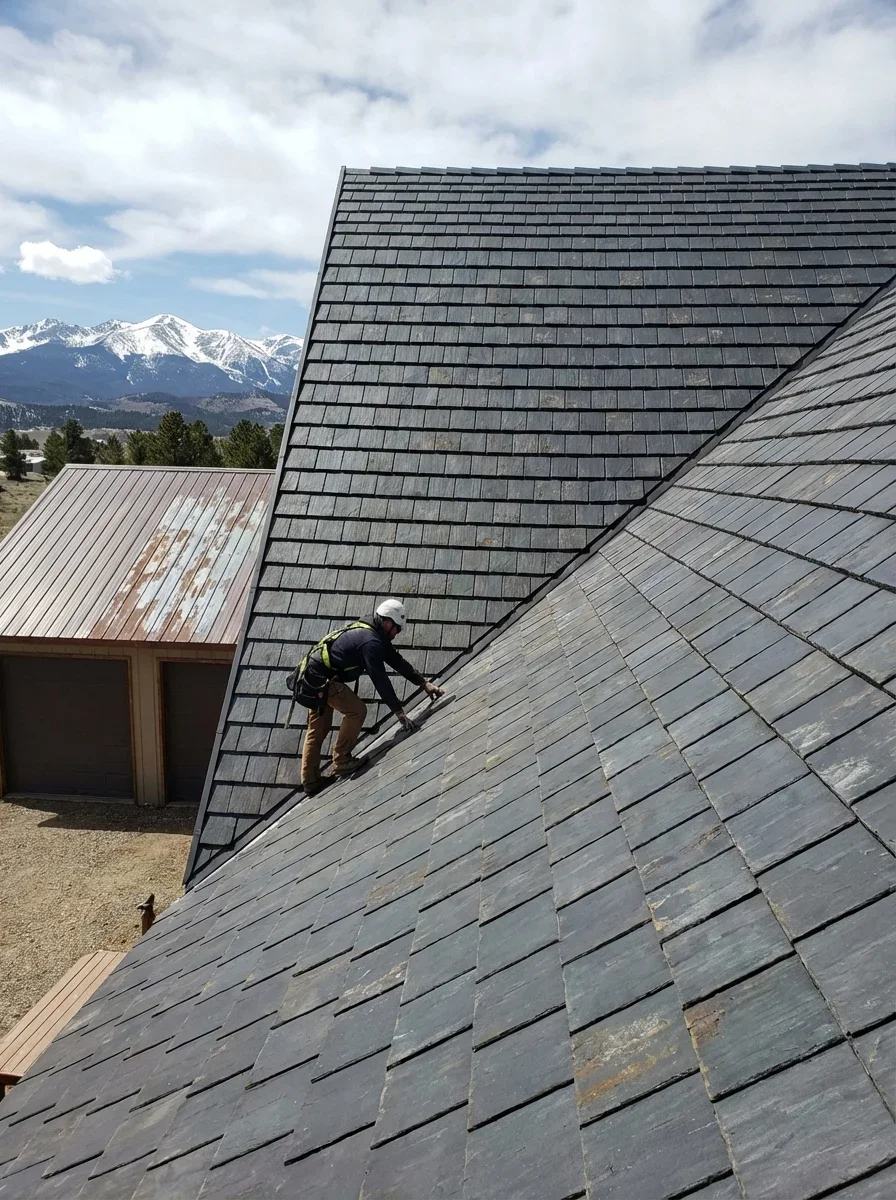
Need Help With Your Project?
Join 500+ homeowners we've helped