
Storm damage repair and roof inspections are the most critical services in Lakewood, where hail events average 7+ times per year along the Front Range corridor. Emergency repair, inspection, and full replacement services are available through 16 contractors each, with additional commercial roofing options for business owners in the area.
Homeowner Tips for Lakewood
Schedule a pre-hail-season roof inspection by March or April to document existing conditions before June–August storm damage peaks.
Ask contractors about Class 4 impact-resistant shingles, which qualify for homeowner insurance discounts up to 28% in some Colorado counties.
Verify your contractor's Lakewood municipal contractor license and ask for references from recent insurance restoration projects in your neighborhood.
Roofers in Lakewood, CO

Gates Enterprises LLC

Colorado Superior Roofing & Exteriors
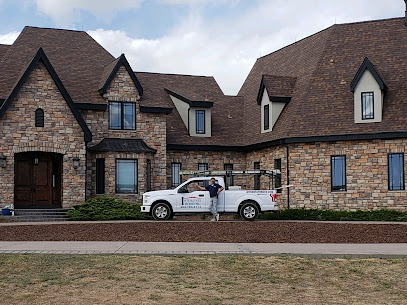
Interstate Roofing Inc
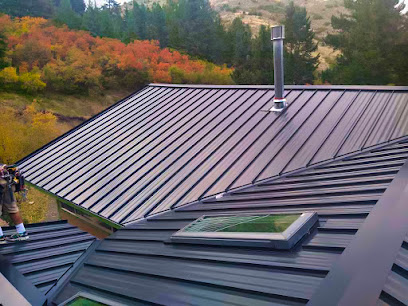
ZMAC Construction

Apple Roofing

American Roofing and Exteriors
Canvasback Construction Company, LLC
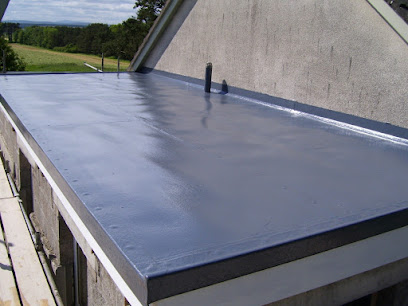
Lakewood Commercial Roofing by Design

Benjamin's Roofing and Skylights LLC

Tried and True Roofing
Showing 1–10 of 15 contractors
Roofing in Lakewood
Lakewood's roofing challenges stem from three primary factors: hail damage (driving 50%+ of regional roofing revenue through insurance claims), altitude-induced UV degradation (25–30% faster material failure than sea-level estimates), and expansive clay soil that shifts foundations and breaks roof flashing seals. Contractors in Lakewood must also navigate municipal licensing requirements specific to the city, and many homeowners benefit from verifying their contractor's local registration before hiring.
Services Available in Lakewood, CO
Roof Replacement
Complete tear-off and replacement of existing roofing systems
Roof Leak Repair
Leak detection and repair, including flashing, penetrations, and storm damage
Gutter Installation
Seamless gutter and downspout installation for residential and commercial properties
Roof Inspection
Comprehensive roof condition assessments for real estate transactions, maintenance, or insurance claims
Emergency Roof Repair
24/7 emergency roof repair and tarping services for active leaks
Asphalt Shingle Roofing
Installation and replacement of asphalt shingle roofs, the most common residential roofing material in Colorado
Storm Damage Roof Repair
Hail and wind damage assessment, repair, and insurance claim assistance
Gutter Repair
Repair and maintenance of existing gutter systems, including cleaning and guard installation
Who works near you
Check your ZIP near Lakewood
See how many graded Colorado roofers work within 15 miles of you.
Hail or leak?
Tap the part of your roof that's giving you trouble
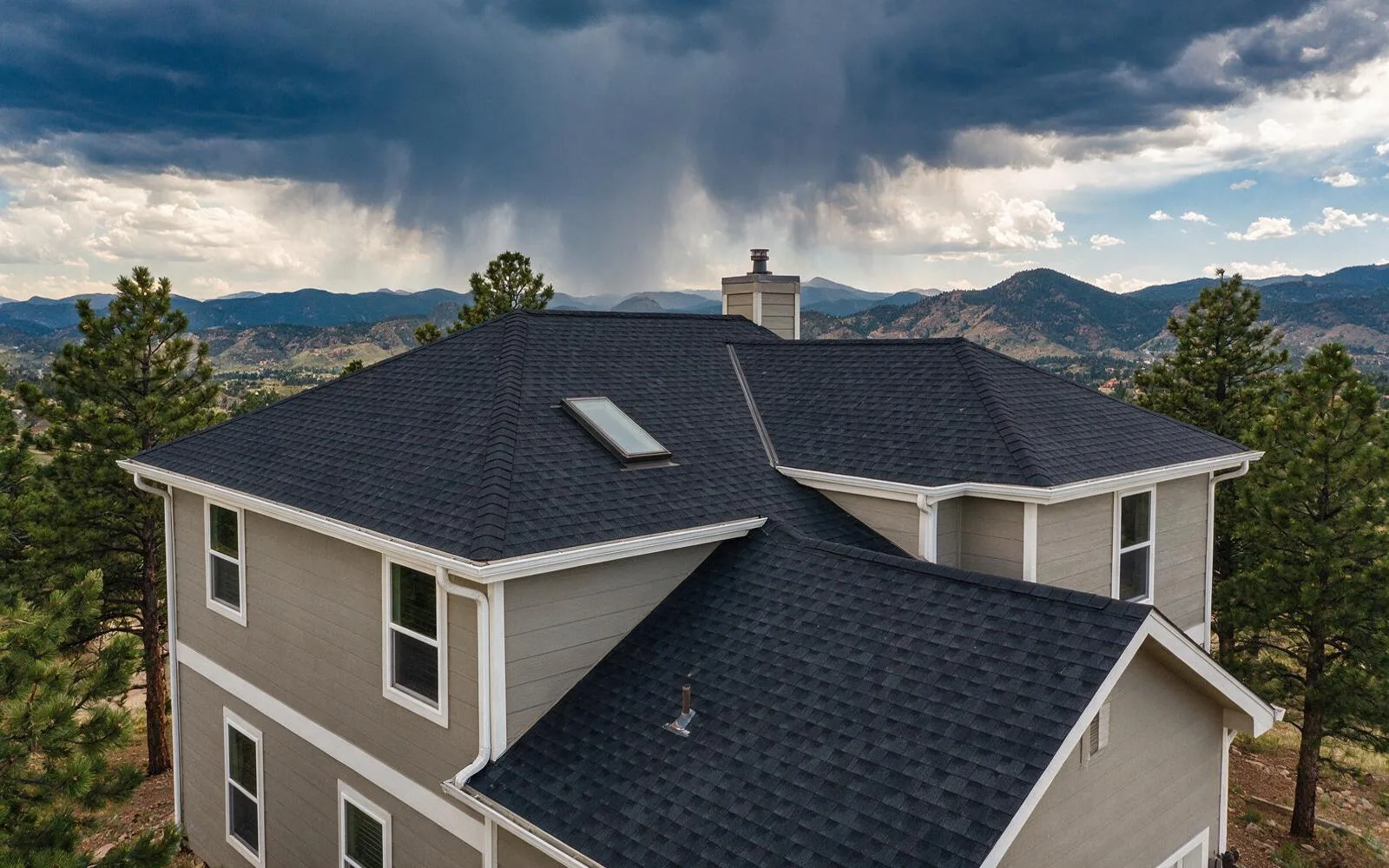
What's going on with your hail-bruised shingles?
Most likely
Hail can compress the granule layer into the shingle mat and leave a bruise that weakens the shingle. Once granules are dislodged or embedded, that section ages 3-4 times faster.
You might be seeing
- Dark circles or ovals, slightly shinier than the surrounding shingle.
- Cupfuls of granules, not a handful, at the bottom of downspouts.
- Bare spots larger than a quarter.
What a good roofer should check
- A good roofer should look for impacts in concentrated patches and compare damaged areas with undamaged ones, because post-storm granule loss is not even across the roof.
- A good roofer should check the seal strips. They can crack on impact without disturbing the granules.
- Ask for an inspection report that counts impacts per test square (100 square feet). Four or more hits per square is typically the replacement threshold.
Top graded roofers for this in Lakewood
Free to ask. Roofers who do this work reply.
Read the full guide →What's going on with your eaves and ice dams?
Most likely
Heat escaping from the attic melts snow on the upper roof. The meltwater refreezes at the unheated eave and builds an ice ridge that blocks further drainage.
You might be seeing
- Icicles along the eave.
- Ceiling stains in upper-floor rooms or along exterior walls.
- Drips hours after the sun hits the roof.
What a good roofer should check
- A good roofer should check attic insulation and ventilation. Most ice dam problems start with inadequate insulation (R-19 or less).
- A good roofer should check whether the eave edge has an ice-and-water barrier membrane.
- Ask how the ice would be removed. Chipping with a hammer or ice pick punctures brittle shingles, while steam melting does not.
Top graded roofers for this in Lakewood
Free to ask. Roofers who do this work reply.
Read the full guide →What's going on with your chimney?
Most likely
A chimney stays warmer than the roof around it, so snow melts there while the rest of the roof is frozen. The meltwater runs down all four sides, pools against the flashing and refreezes.
You might be seeing
- Cracked sealant around the flashing.
- Cracked mortar where the counterflashing tucks in.
- Separated step flashing beside the chimney.
What a good roofer should check
- A good roofer should check the step flashing and the counterflashing, and whether the mortar joints are still sound.
- A good roofer should look at the cricket, the peaked structure behind the chimney that diverts water, and its flashing.
- Ask whether the quote covers the flashing only or the mortar as well. Counterflashing often fails because the mortar joint itself deteriorates.
Top graded roofers for this in Lakewood
Free to ask. Roofers who do this work reply.
Read the full guide →What's going on with your skylight?
Most likely
A skylight curb has four corners, and each corner is a spot where ice can wedge under the flashing. Older skylights often used tar or mastic as the main seal, and those turn brittle in Colorado winters.
You might be seeing
- Cracked sealant around the flashing.
- Water stains inside that trace back to the skylight.
- An older tar or mastic seal that has gone brittle.
What a good roofer should check
- A good roofer should check that the flashing pieces overlap in the right sequence. Pieces installed out of order create a hidden water entry point.
- A good roofer should check all four corners of the curb for cracked or brittle sealant.
- Ask whether the unit uses an engineered flashing kit, as modern skylights do.
Top graded roofers for this in Lakewood
Free to ask. Roofers who do this work reply.
Read the full guide →What's going on with your ridge and ridge caps?
Most likely
Ridge caps are the highest points on the roof, so they show hail damage first and most severely.
You might be seeing
- Granule loss on the edges of the caps.
- Exposed nail heads where wind lifted damaged shingles.
- Cracked sealant around ridge vents.
What a good roofer should check
- A good roofer should start at the ridgeline and work down.
- A good roofer should check whether water is already penetrating the roof deck during rain. That is the case if the ridge caps are compromised.
- Ask about attic ventilation too. Ridge vents combined with soffit vents keep the roof deck cold.
Top graded roofers for this in Lakewood
Free to ask. Roofers who do this work reply.
Read the full guide →What's going on with your plumbing vent?
Most likely
The rubber or neoprene collar around a plumbing vent degrades from UV exposure and becomes stiff within 8 to 12 years. Once it is stiff, it cannot flex when ice forms underneath.
You might be seeing
- Cracks around the base of the boot.
- A stiff, aged rubber collar.
- Slow water infiltration that wets insulation before any drip shows inside.
What a good roofer should check
- A good roofer should check the boot and the vent flashing for cracks and a stiff collar.
- A good roofer should check the decking around the pipe for rot, which can build up silently until the boot falls through.
- Ask about timing. A cracked pipe boot caught in March can be replaced before summer storms, while waiting until November can mean repairing water-damaged decking.
Top graded roofers for this in Lakewood
Free to ask. Roofers who do this work reply.
Read the full guide →What's going on with your roof valley?
Most likely
Valleys concentrate water flow, which makes them the number one failure point in Colorado freeze-thaw conditions.
You might be seeing
- Pinhole leaks where ice repeatedly lifts the edges of a metal valley.
- Cracked sealant between overlapping valley sections.
- Water stains on the ceiling, which can be a late sign.
What a good roofer should check
- A good roofer should check valley alignment against the roofline and re-seal any gaps.
- A good roofer should note whether the valley is open (metal-lined) or closed-cut. Closed valleys trap water between overlapping shingles.
- Ask whether ice-and-water barrier goes into the valleys. Best practice extends it there.
Top graded roofers for this in Lakewood
Free to ask. Roofers who do this work reply.
Read the full guide →What's going on with your gutters?
Most likely
Your gutters show what hail did to the roof: granules collect in the downspouts and dents on the edges confirm the hail size. Clogged gutters also trap water that freezes and extends ice dams further up the roofline.
You might be seeing
- Granules like coarse black sand or coffee grounds at the bottom of downspouts.
- Dented or dinged gutter edges.
- Ice buildup around downspout discharge points.
What a good roofer should check
- A good roofer should measure the dents. Dents larger than 1 inch across typically correlate with shingle damage significant enough to warrant replacement.
- A good roofer should check that downspouts discharge at least 6 feet from the foundation.
- Ask about gutter cleaning in October and again in early December, before heavy snow.
Top graded roofers for this in Lakewood
Free to ask. Roofers who do this work reply.
Read the full guide →- 1Hail-bruised shingles
- 2Eaves and ice dams
- 3Chimney
- 4Skylight
- 5Ridge and ridge caps
- 6Plumbing vent
- 7Roof valley
- 8Gutters
Not in the picture?