
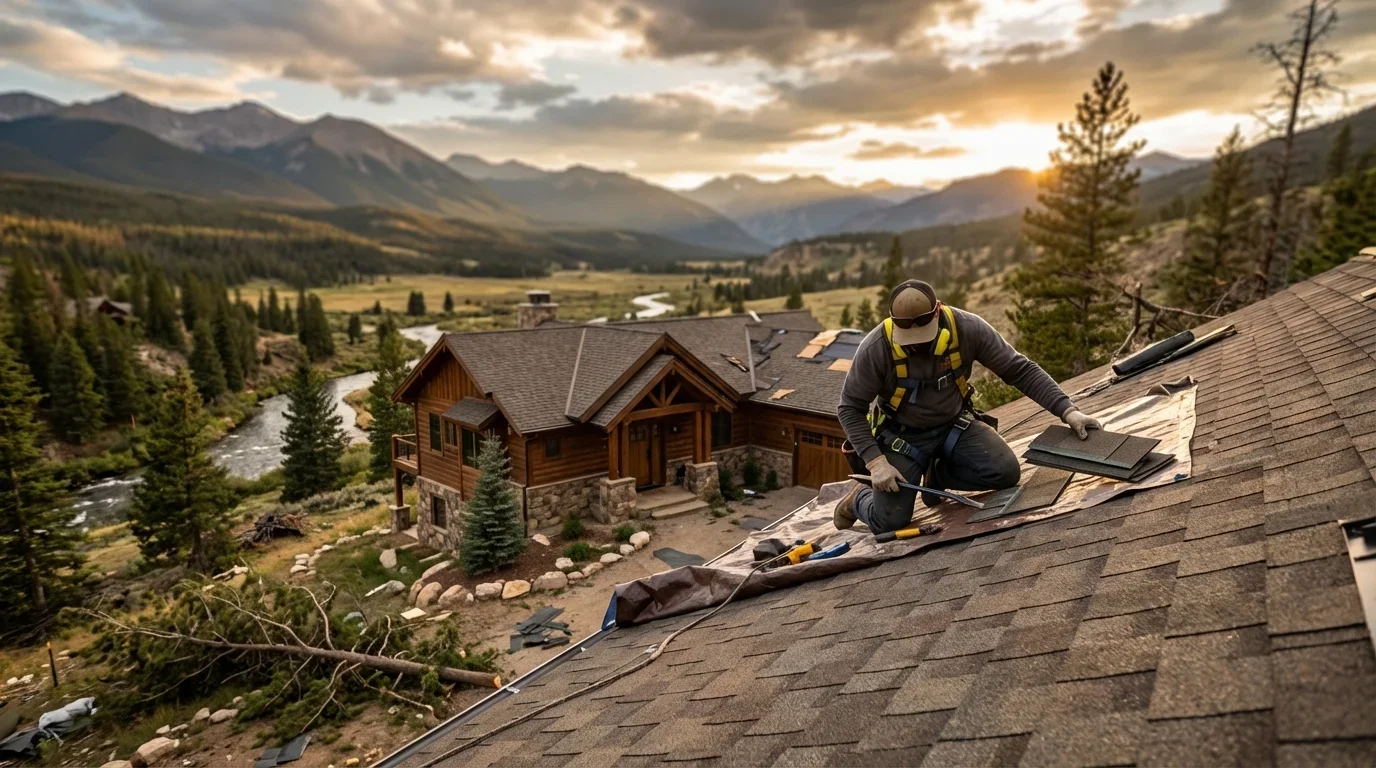
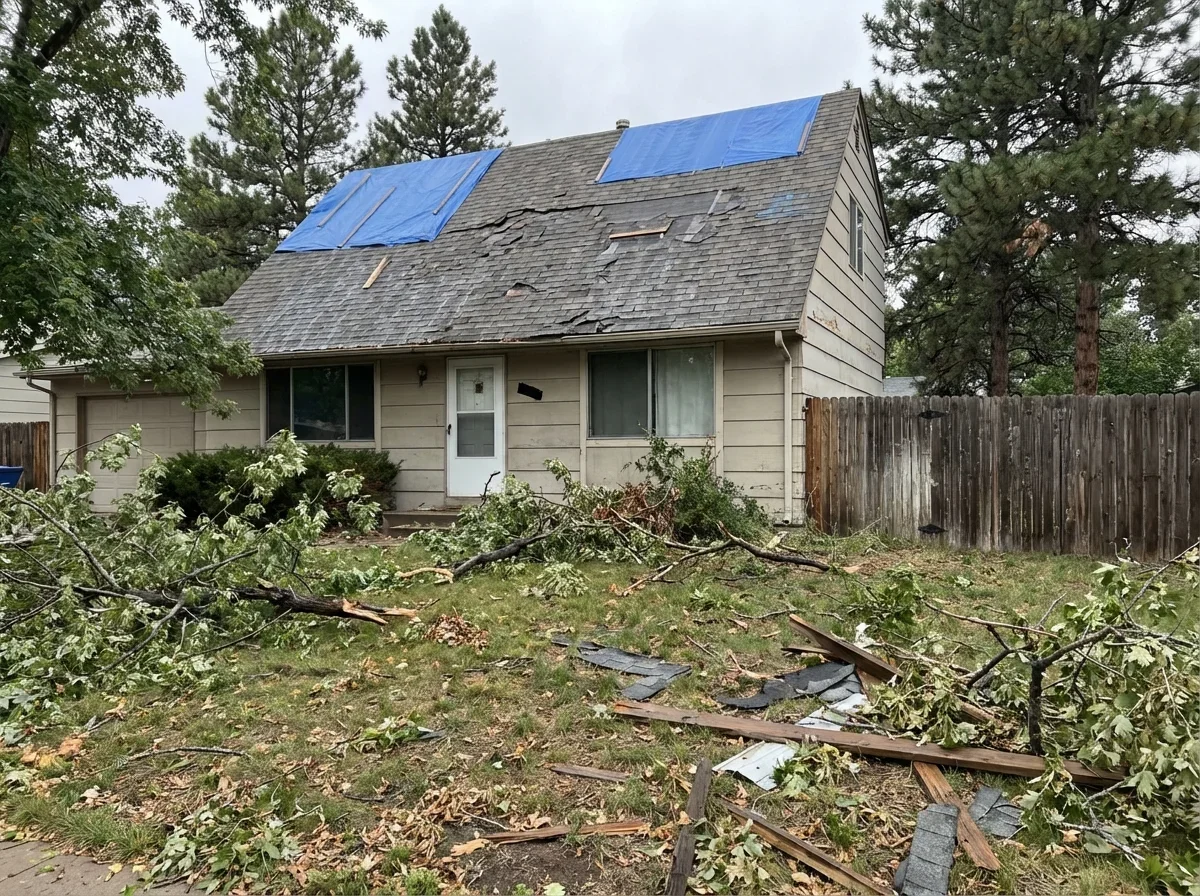
Colorado's severe hailstorms and high winds cause significant roof damage annually, particularly along the Front Range corridor. Storm damage repair requires prompt action to prevent further deterioration and preserve your insurance claim rights. Connect with experienced Colorado storm damage roofing contractors who can provide emergency tarping, thorough damage assessment, and work directly with your insurance company to ensure proper repairs.
Featured Contractors
View all →


Colorado Storm Damage: What You're Looking For
After a hailstorm or windstorm, walk your property before cleanup crews arrive. You need documentation for your insurance claim.
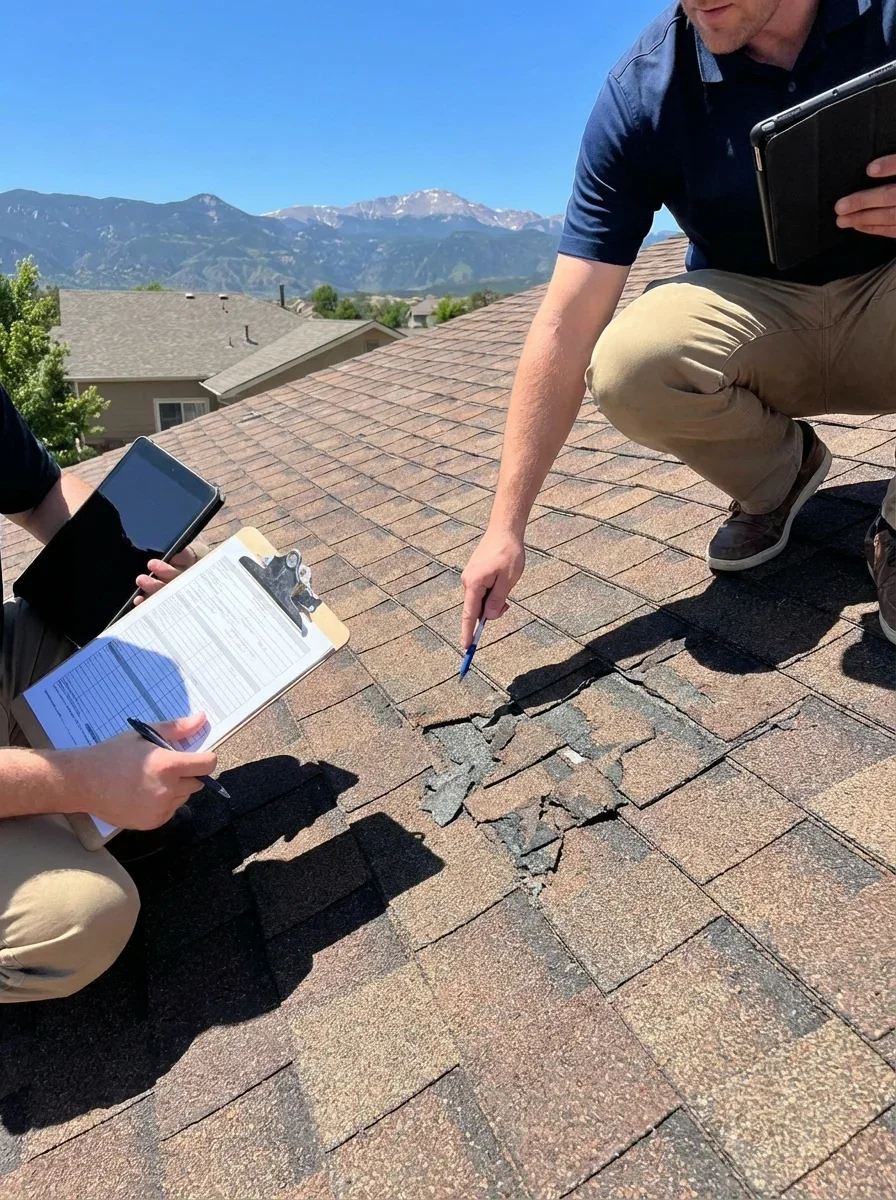
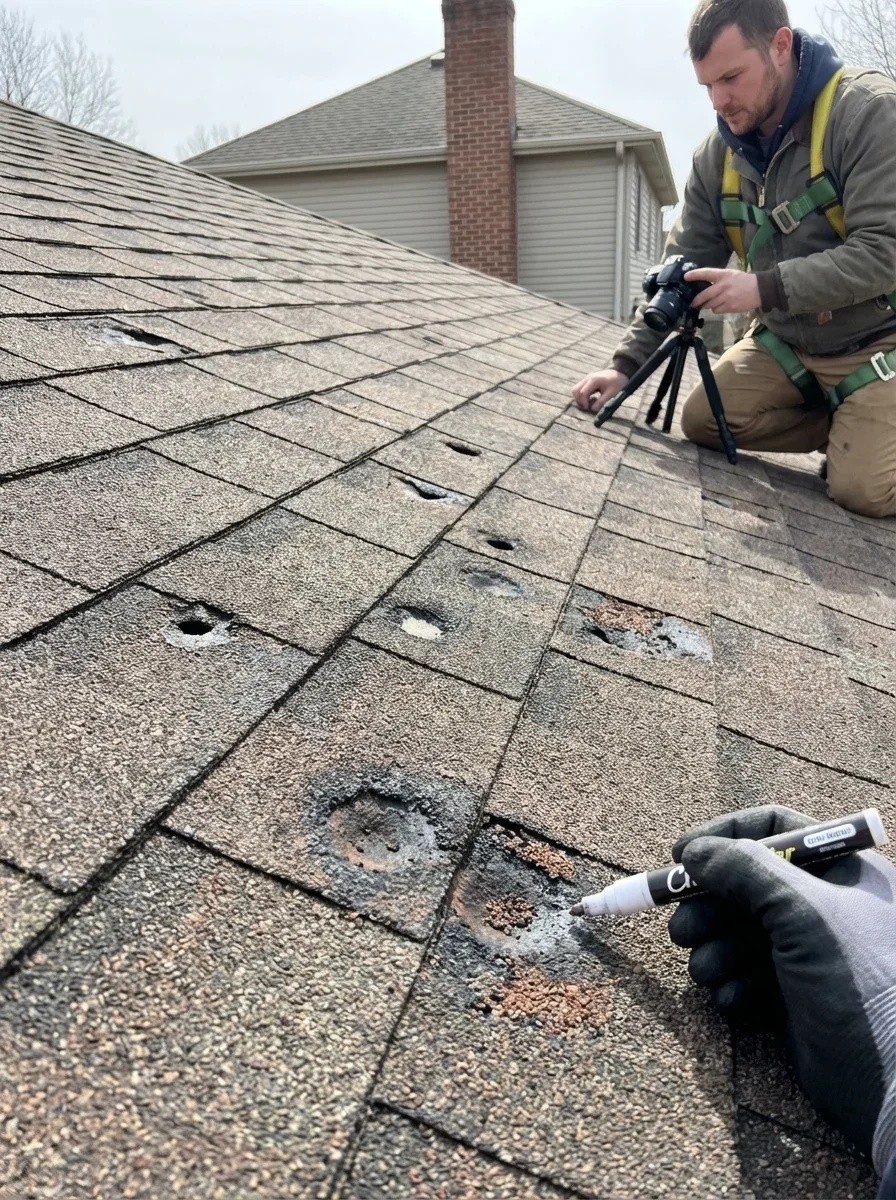
Hail damage shows up as: bruised or fractured shingles (dark spots where granules are crushed into asphalt), dented metal flashing and vents, cracked skylight glazing, and granule accumulation in gutters. Front Range storms from Denver through Fort Collins produce 1-2 inch hailstones with terminal velocities exceeding 100 mph. That's enough force to penetrate Class 3 shingles in under 30 seconds of exposure.
Wind damage patterns include: lifted or missing shingles on ridge lines and eaves, torn flashing at valleys and chimneys, separated seals along shingle tabs, and displaced vent boots.
Colorado's high-elevation properties face sustained winds 40-50% stronger than metro areas. Boulder and mountain communities see regular 80+ mph gusts that test every seal point.
Your claim window is finite. Colorado insurers require storm damage claims within 1 year of the event date. Delayed filings face higher denial rates and require additional proof of causation.
Check your attic after storms. Water stains on decking or insulation mean the envelope is already compromised.
Interior damage escalates costs by 300-400% compared to catching failures at the roofing layer.
What Does Storm Damage Roof Repair Cost in Colorado?
Storm damage costs split between emergency response, actual repairs, and deductible structures. Here's what Front Range contractors charge:
Emergency Response and Temporary Protection
| Service | Cost Range |
|---|---|
| Emergency tarping (residential) | $300 - $800 |
| Emergency tarping (commercial) | $1,200 - $3,500 |
| Temporary flashing/seal repairs | $400 - $1,200 |
| Debris removal before inspection | $250 - $600 |
Emergency work is often reimbursable as part of your total claim. Keep receipts.
Repair vs. Replacement Cost Factors
| Damage Extent | Residential Cost | Commercial Cost |
|---|---|---|
| Partial repair (< 30% affected) | $1,500 - $5,000 | $4,500 - $15,000 |
| Major repair (30-60% affected) | $5,000 - $12,000 | $15,000 - $40,000 |
| Full replacement | $8,000 - $25,000 | $25,000 - $120,000+ |
Colorado-specific multipliers: High-altitude projects (above 7,000 ft) add 15-25% for material transport and crew logistics. Metal roofing repairs cost 40-60% more than asphalt due to specialized seaming.
Class 4 impact-resistant upgrades add $1.50-$2.25 per sq ft but reduce future premiums.
Insurance Coverage and Deductibles
Most Colorado homeowner policies carry $1,000-$2,500 deductibles. If your roof is 12+ years old, insurers apply depreciation (typically 5-7% annually). A $15,000 replacement on a 15-year roof might yield $7,500 ACV initially. You recover the $7,500 depreciation after completion.
Total loss threshold: When repair costs exceed 60% of replacement value, insurers typically approve full replacement.
A HAAG-certified inspection identifying widespread seal failure or granule loss shifts partial repair claims into total replacement territory.
For detailed claim navigation, see our Insurance Claim Assistance & Documentation guide and the complete Colorado Roof Insurance Claims Guide.
Get Colorado-specific pricing based on material, region, and roof size.
The Storm Damage Assessment and Repair Process
Colorado storm damage work follows a strict sequence. Skip steps and you jeopardize your insurance coverage.
Step 1: Emergency Stabilization (0-72 hours)
Licensed contractors tarp damaged sections using weighted, anchored systems rated for Colorado wind loads. This prevents secondary water intrusion that voids many insurance provisions.
Emergency response includes photographing all damage before tarping, securing exposed valleys and penetrations, and documenting interior conditions if leaks occurred.
Step 2: Professional Damage Documentation
HAAG-certified inspectors conduct comprehensive assessments using standardized protocols recognized by Colorado insurers. They measure hailstone impact density (hits per 100 sq ft), test shingle seal integrity with uplift pressure gauges, map wind damage patterns against known storm trajectories, and document pre-existing wear vs. acute storm effects.
Expect 2-4 hours for residential inspections. Commercial properties in Colorado Springs or Pueblo require full-day assessments.
Step 3: Insurance Claim Filing and Adjustment
Your contractor submits detailed reports with timestamped photos, moisture readings, and material specifications. Colorado operates on Replacement Cost Value (RCV) policies: you receive Actual Cash Value (depreciated amount) initially, then recover depreciation after repairs complete.
Adjusters inspect within 5-10 business days.
Discrepancies trigger supplemental claims. This is common in Denver metro where adjusters underestimate high-altitude UV degradation that makes older roofs total losses rather than repairable.
Step 4: Repair Execution and Final Inspection
Full replacements take 1-3 days for residential. Partial repairs complete in 4-8 hours. Contractors match existing materials or upgrade to Class 4 impact-resistant shingles (qualifying you for 15-28% insurance premium reductions).
Municipal inspections in Aurora, Thornton, and other Front Range cities require Supervisor Certificate holders on-site. Final insurance inspections verify scope completion before releasing depreciation holdback.
Most Colorado storm jobs close within 45-60 days from initial claim to final payment.
How to Choose a Storm Damage Roof Contractor in Colorado
Colorado's storm season attracts unlicensed "storm chasers" from out-of-state. Protect yourself with this vetting checklist:
Certifications That Matter
- HAAG Engineering certification for hail/wind damage assessment (recognized by all major insurers)
- Municipal licensing: Denver requires Supervisor Certificates; verify city-specific requirements in Lakewood, Greeley, or your jurisdiction
- Colorado Roofing Association (CRA) membership indicates established local presence and code knowledge
- Manufacturer certifications (GAF Master Elite, Owens Corning Platinum, CertainTeed Select) proving warranty authorization
- Liability insurance minimum $2M and active workers' comp coverage
Insurance Work Experience
Ask for 3+ recent storm claim references with similar damage patterns. Request adjuster contact info from past jobs (reputable contractors have working relationships).
Verify they handle supplemental claims. Initial adjustments are often low: 70% of Colorado storm jobs require supplements.
Confirm they photograph all work stages for your insurance documentation. Check they understand RCV vs. ACV payment structures.
Red Flags: Storm Chasers and Door-Knockers
Avoid contractors who: offer to waive your deductible (insurance fraud), pressure immediate signing with "today only" pricing, operate from out-of-state addresses with local PO boxes, refuse written estimates or contracts, or push unnecessary upgrades beyond adjuster-approved scope.
Senate Bill 38 compliance: Residential contracts over $1,000 must list your insurer's contact information and claim number.
Missing this? Walk away.
For additional vetting strategies, review How to Verify a Colorado Roofing Contractor and learn about When to Repair vs Replace Your Roof based on damage extent.
Compare qualified, locally-established contractors through our directory. Filter by HAAG certification, municipal licensing, and verified insurance work experience.
Frequently Asked Questions
Related Articles
Need Help With Your Project?
Join 500+ homeowners we've helped