
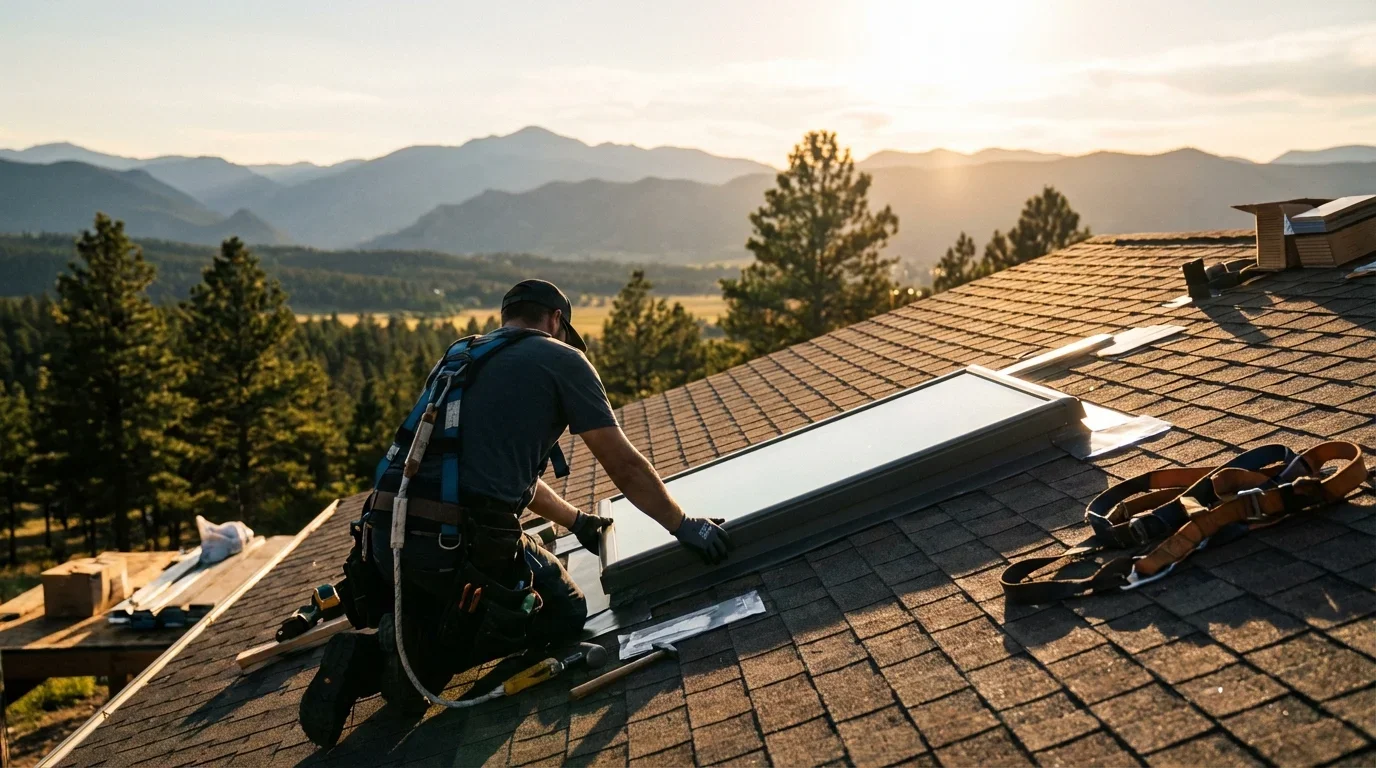
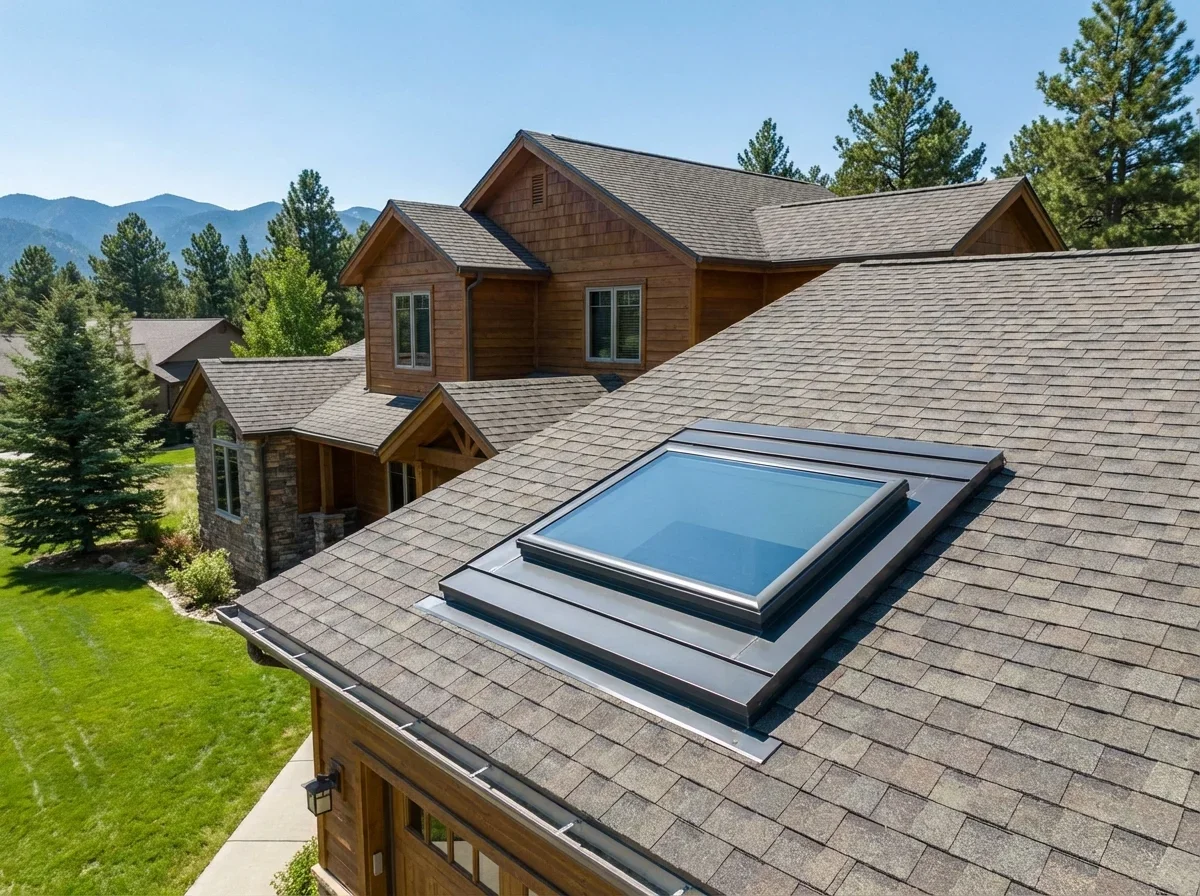
Skylight installation can transform dark Colorado rooms with natural light while adding value to your home. Professional installation ensures proper flashing, weatherproofing against snow and rain, and integration with your existing roofing system to prevent leaks. Find experienced Colorado roofing contractors who specialize in skylight installation and can recommend energy-efficient options suitable for the state's intense UV exposure and temperature extremes.
Featured Contractors
View all →



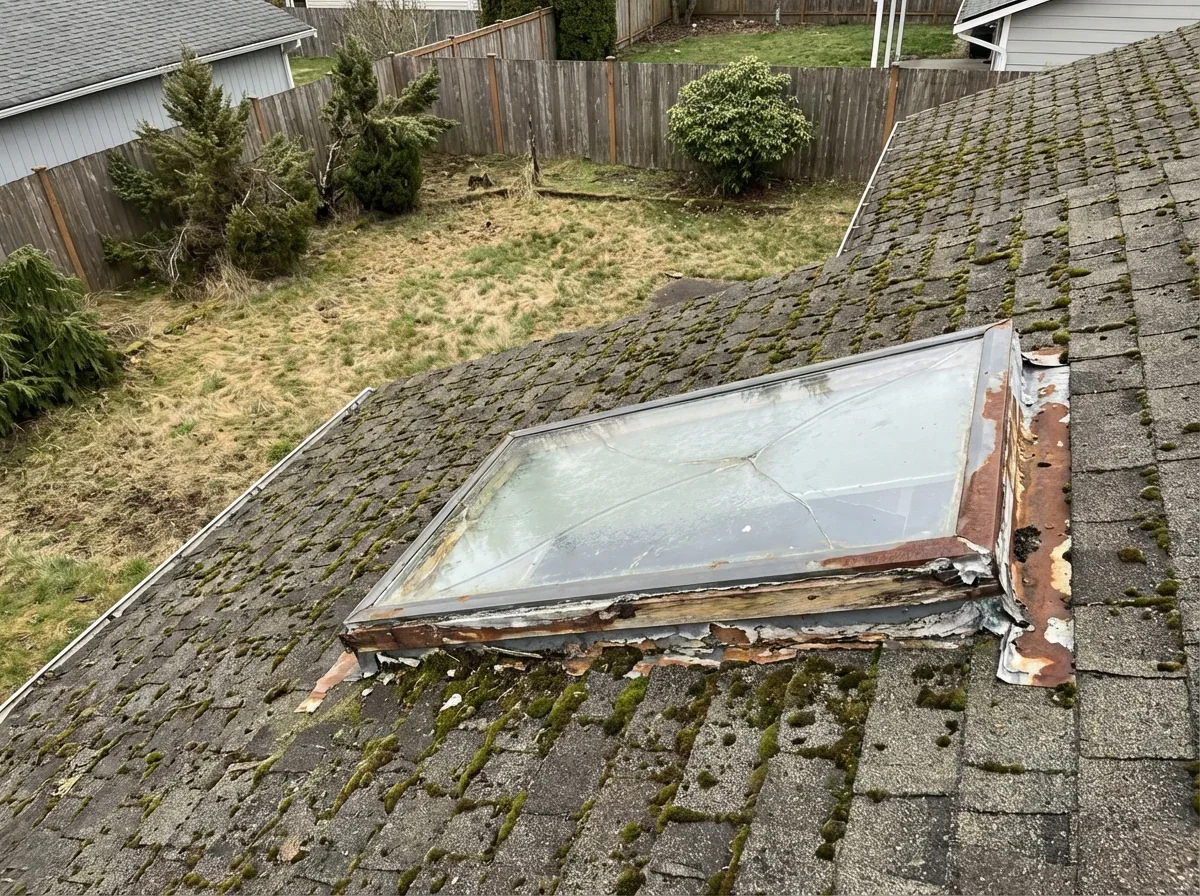
When Skylight Installation Makes Sense
You're considering a skylight because certain rooms feel closed off, gloomy, or stuffy — typically upstairs bedrooms, bathrooms without exterior walls, or finished attic spaces. Natural light transforms these areas while reducing reliance on artificial lighting during Colorado's 300+ sunny days per year.
Key scenarios where skylights deliver clear value:
- North-facing rooms that never catch direct sun
- Bathrooms requiring ventilation without exterior wall access
- Home offices or loft spaces with insufficient window area
- Hallways and stairwells that feel dark midday
High-altitude UV is 50% more intense at Denver's elevation. Standard skylights without UV-resistant glazing fade floors and furniture within 2-3 years; upgraded low-E coatings block 95% of harmful rays while preserving natural light.[2]
Timing matters in Colorado. Spring and fall installations avoid snow load complications and extreme temperatures that affect flashing adhesion. Mountain properties above 8,000 feet require additional structural assessment for snow load ratings exceeding 100 psf.[1]
Regional considerations:
- Boulder and Longmont foothills homes need wildfire-rated glazing
- Pueblo's intense summer heat requires low solar heat gain coefficient (SHGC) ratings
- Denver and Aurora installations must account for rapid spring snow melt cycles
What Does Skylight Installation Cost in Colorado?
Expect total installed costs from $1,500 to $8,000+ depending on skylight type, roof complexity, and required structural modifications. These ranges reflect material, labor, interior finishing, and Colorado-specific weatherproofing requirements.
| Skylight Type | Installed Cost Range |
|---|---|
| Fixed curb-mount (22"x46" standard) | $1,500 - $4,500 |
| Venting curb-mount with electric operator | $2,500 - $6,500 |
| Venting with solar/rain sensor | $3,500 - $8,000+ |
| Tubular sun tunnel (10" diameter) | $500 - $1,500 |
| Tubular sun tunnel (14" diameter) | $750 - $2,000 |
Fixed vs. Venting Skylights
Fixed skylights provide light only — no ventilation. They cost 30-40% less than venting models and have fewer potential leak points. Ideal for spaces where you control temperature through existing HVAC (living rooms, hallways, bedrooms with windows). Most Denver and Aurora installations use fixed units for living areas.
Venting skylights open to release hot air and bring fresh breezes — valuable in Colorado's dry climate where indoor humidity drops below 20% in winter. The ventilation function adds $800-$2,500 to base costs due to operating mechanisms (manual crank, electric motor, or solar-powered with rain sensors). Bathrooms and kitchens benefit most, meeting ventilation codes while avoiding exterior wall ductwork.
Tubular Skylights and Sun Tunnels
Compact 10-14" diameter tubes capture light through a roof-mounted dome and reflect it down a reflective tube to a ceiling diffuser. Perfect for small spaces like closets, laundry rooms, and interior bathrooms. Installation takes 4-6 hours with minimal structural work — costs run $500-$2,000 installed. These work well in Lakewood and Thornton ranch homes with limited attic access.
Cost Factors That Add to Base Price
Roof complexity: Tile or slate roofs add $300-$800 for specialized flashing. Metal roofing requires custom pan flashing ($200-$500). Multi-layer tear-offs increase labor 15-25%.
Light shaft modifications: Straight shafts between parallel rafters minimize costs. Angled shafts to redirect light add $400-$1,200 in framing and drywall finishing.
Glazing upgrades: Standard clear glass works for shaded areas. UV-blocking low-E coatings add $150-$400 but prevent fading in Colorado's high-altitude sun. Impact-resistant glazing (hail protection) adds another $200-$600.
Energy efficiency features: ENERGY STAR-rated units with U-factor ≤ 0.50 and SHGC ≤ 0.40 meet Colorado energy code[2] without upgrades. Premium models with U-factor ≤ 0.30 add $250-$600 but reduce heat loss in Greeley and Grand Junction winter conditions.
Permits and inspections: Most Colorado municipalities require permits for roof penetrations ($75-$200). Denver building inspections add $150-$300 to verify structural and flashing compliance.
ROI comes through reduced electric lighting (saving $80-$150 annually per skylight) and increased home resale value. Real estate appraisers in Boulder and Fort Collins add $1,500-$3,000 to valuations for professionally installed skylights in key spaces.
Get Colorado-specific pricing based on material, region, and roof size.
The Skylight Installation Process
1. Structural Assessment and Planning A qualified installer evaluates rafter spacing, roof pitch, and attic framing. Colorado building code requires verification of snow load capacity — critical for Front Range and mountain areas where ground snow loads reach 50-100+ psf.[1] The installer confirms no conflicts with HVAC ducts, electrical wiring, or plumbing before marking the opening location from inside.
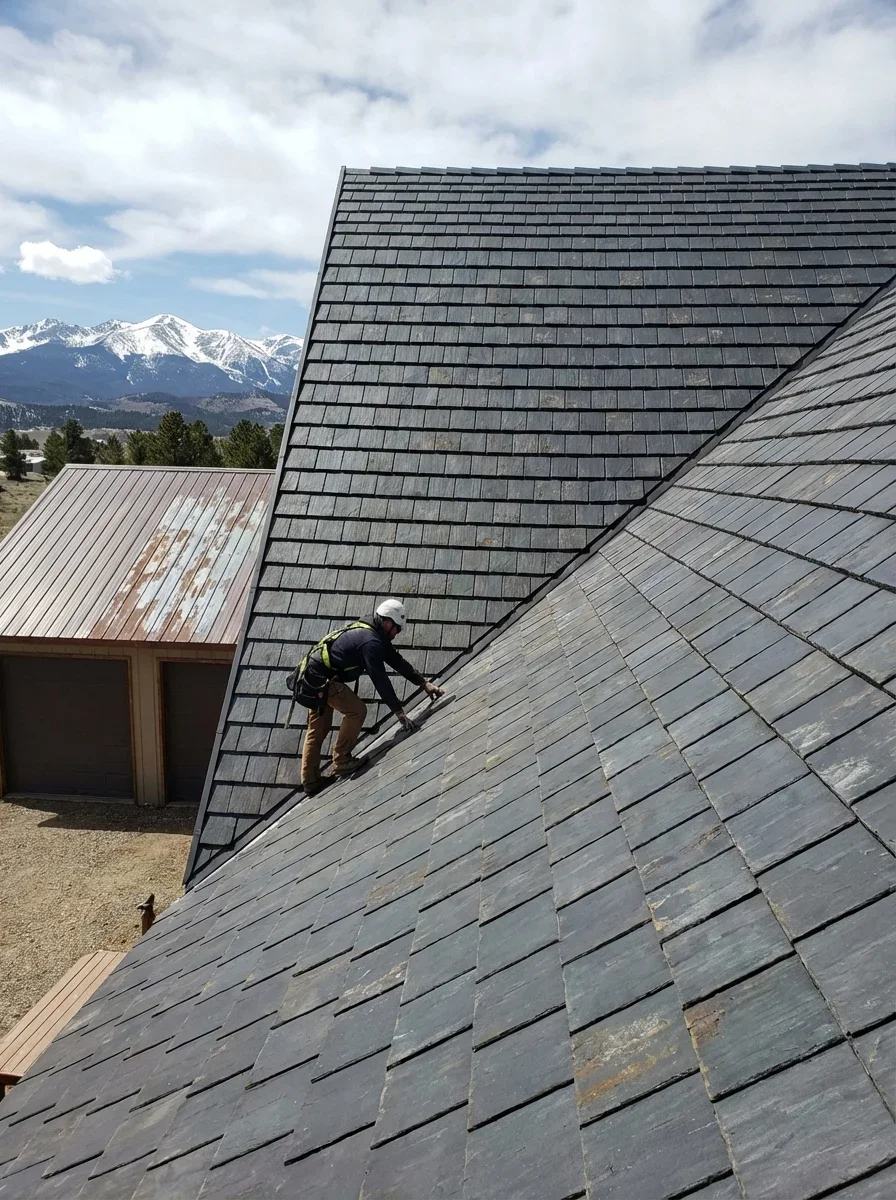
2. Roof Opening and Framing Working from inside, the crew cuts through ceiling drywall and insulation, then marks the exterior roof surface. They remove shingles in a slightly larger area than the skylight footprint, cut roof decking, and install doubled headers between rafters to create a structural frame. Mountain installations require engineered framing to handle concentrated snow loads.
3. Waterproofing and Flashing Installation This step determines long-term performance. Installers apply self-adhering ice and water shield around the entire opening — mandatory in Colorado to handle freeze-thaw cycling.[1] They build or install a manufactured curb (minimum 1-inch height), then layer step flashing and counter flashing to direct water away from the opening. Colorado Springs and Fort Collins contractors must integrate flashing with existing underlayment to prevent ice dam penetration during spring melt cycles.
4. Final Installation and Interior Finishing The skylight unit mounts to the curb with waterproof sealant and mechanical fasteners. Exterior work concludes with shingle integration and final flashing seals. Inside, the crew insulates the light shaft, installs drywall, and finishes with paint or trim matching your ceiling. Venting models connect to electric or solar-powered operators. Most installations complete in 1-2 days for standard fixed units; venting and custom light shafts extend to 2-3 days.
| Installation Type | Typical Timeline |
|---|---|
| Fixed skylight, straight shaft | 1-2 days |
| Venting skylight with controls | 2-3 days |
| Tubular sun tunnel | 4-6 hours |
| Multiple units or angled shafts | 3-4 days |
How to Choose a Skylight Contractor in Colorado
Skylight installation requires both roofing expertise and finish carpentry skills — not all roofers handle interior work competently. Focus on contractors who specialize in skylight projects with manufacturer certifications and proven Colorado experience.
Questions to Ask Before Hiring
- "Are you certified by VELUX, Solatube, or other skylight manufacturers?" Certification means factory training on proper installation sequences and weatherproofing techniques specific to each product line.
- "What snow load rating do you recommend for my location?" Ground snow loads vary from 30 psf in Pueblo to 100+ psf in mountain communities — the contractor should reference ICC tables for your elevation.[1]
- "Do you install ice and water shield around the entire opening?" This should be non-negotiable in Colorado. Minimal flashing causes 70% of skylight leak calls within 3-5 years.
- "What's your warranty on installation workmanship?" Look for minimum 5-year labor warranties separate from manufacturer product warranties (typically 10-20 years).
- "Can I see photos of completed interior light shafts?" Drywall finishing quality varies dramatically — insist on smooth, painted shafts that match existing ceilings.
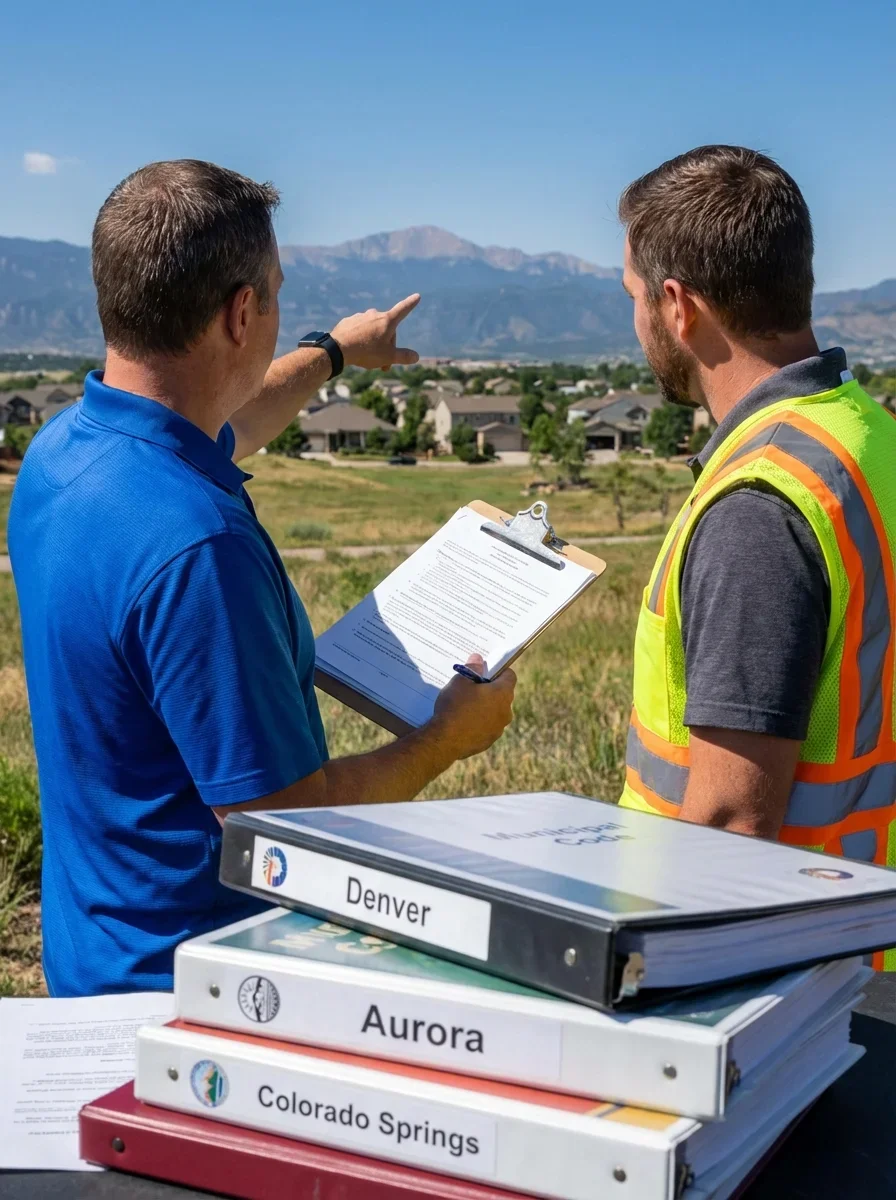
- "Do you handle permits and inspections?" Reputable contractors pull permits and schedule required inspections in Denver, Colorado Springs, and other municipalities.[3]
Required Credentials for Colorado
Municipal contractor licensing: Denver requires Roofing Contractor Supervisor Certificates for structural roof modifications. Colorado Springs and other cities require general contractor registration. Verify active licenses before signing contracts.
Insurance coverage: Minimum $300,000 general liability plus workers' compensation for crew protection.[3] Request certificates naming you as additional insured during the project.
Manufacturer certifications: VELUX and Solatube maintain installer networks with specific training requirements — check contractor status directly with manufacturers.
Red Flags to Avoid
- Quotes that skip flashing details or list "standard installation" without specifying ice and water shield or step flashing materials
- Contractors who don't inspect attic framing before quoting — structural modifications can't be accurately priced from exterior measurements alone
- Pressure to install immediately without permits or proper planning for Colorado weather windows
- Unusually low bids that cut corners on UV-resistant glazing or interior finishing quality
For more guidance on verifying credentials, see our guide on how to hire a roofing contractor in Colorado.
Compare certified skylight installers in your area through our directory — each listing shows manufacturer certifications, insurance verification, and recent project photos with interior finishing quality visible.
Frequently Asked Questions
- International Code Council (adopted by Colorado via state building code). "International Building Code 2021 - Chapter 15: Roof Assemblies and Rooftop Structures." https://codes.iccsafe.org/content/IBC2021P1/chapter-15-roof-assemblies-and-rooftop-structures#IBC2021P1_Ch15_Sec1509. Accessed April 08, 2026.
- Colorado Department of Local Affairs, Division of Housing. "Colorado Energy Code - Commercial and Residential Energy Efficiency." https://codes.iccsafe.org/content/COCRC2021P1/chapter-4-re-residential-energy-efficiency#COCRC2021P1_Ch4_SecR402. Accessed April 08, 2026.
- Colorado Department of Regulatory Agencies (DORA), Division of Professions and Occupations. "Contractor Licensing Information." https://dpo.colorado.gov/Contractors. Accessed April 08, 2026.
Related Articles
Need Help With Your Project?
Join 500+ homeowners we've helped