
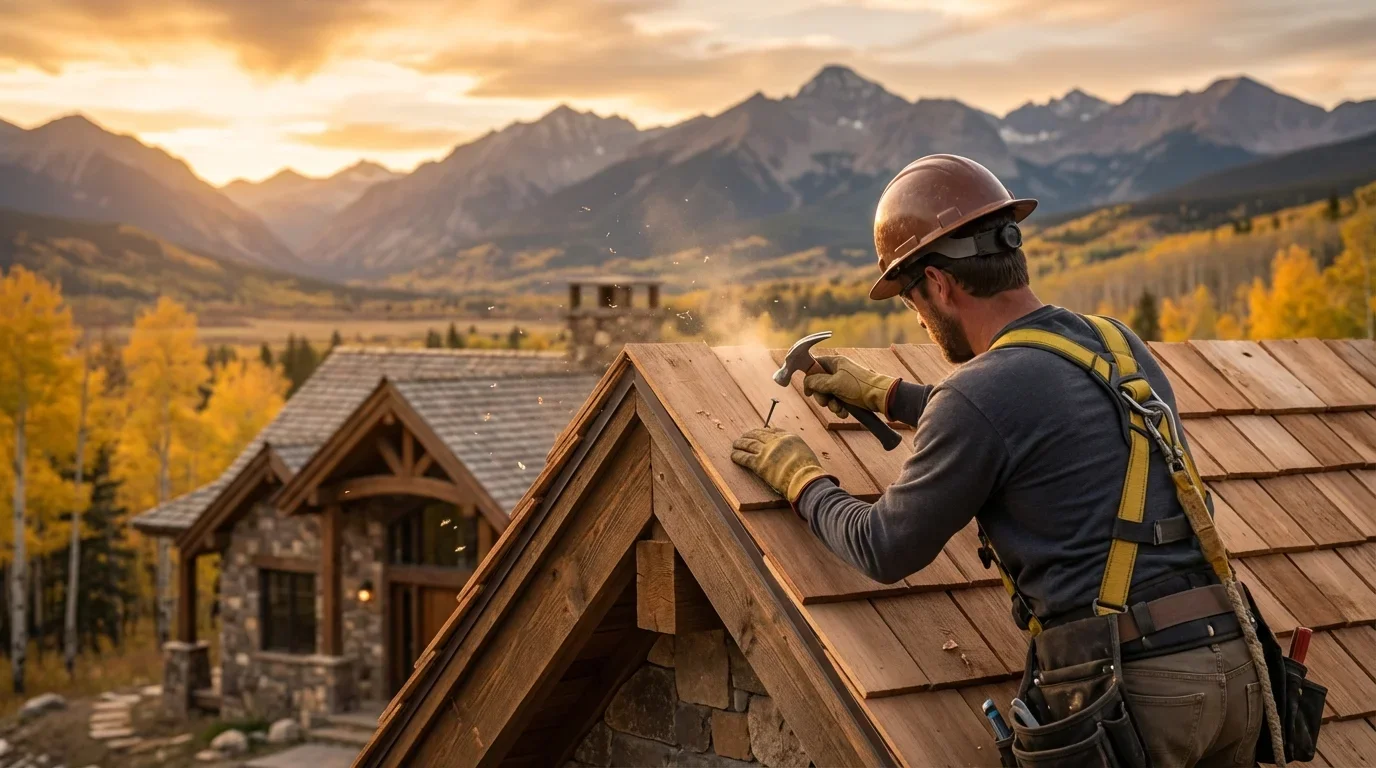
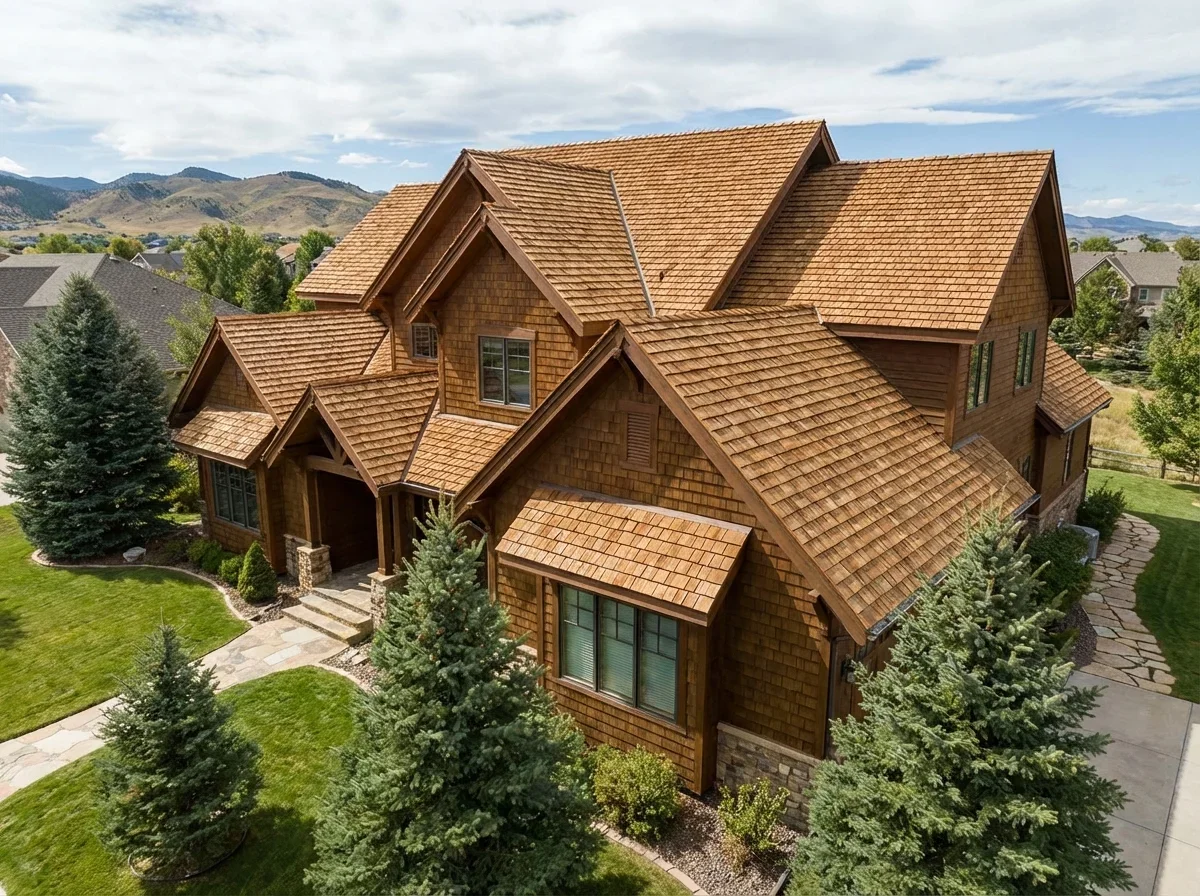
Cedar shake roofing provides natural beauty and character, but Colorado's wildfire concerns require careful consideration of fire-rated options and local building codes. Synthetic cedar shake alternatives offer authentic appearance with Class A fire ratings and superior durability. Connect with Colorado cedar shake roofing specialists who understand fire mitigation requirements and can recommend appropriate materials for your area.
Featured Contractors
View all →



Signs Your Cedar Shake Roof Needs Repair or Replacement
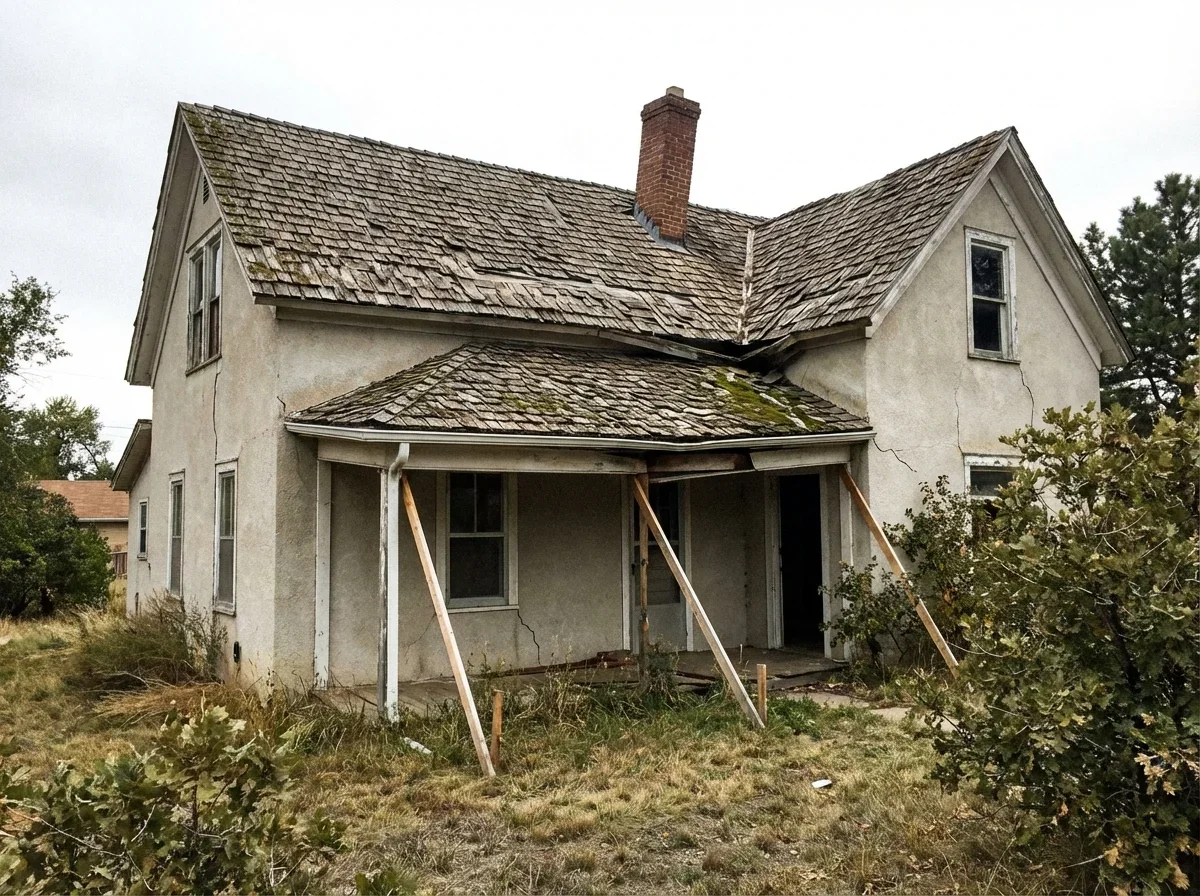
Cedar shake roofs in Colorado face unique stress. At Denver's 5,280-foot elevation, UV radiation intensity runs 50% higher than sea level — breaking down wood fibers and protective oils at an accelerated rate. You'll see granular surface erosion on the south-facing slopes first, followed by cupping and curling as moisture cycles through the wood.
Watch for these warning signs:
- Moss or algae growth in shaded sections (common on north-facing pitches in Fort Collins and Boulder)
- Shakes splitting along grain lines or missing entirely after windstorms
- Dark staining or wood rot around valleys and chimneys
- Visible daylight through gaps in the decking from your attic
Colorado's wildfire regulations changed everything after the Marshall Fire. Many jurisdictions now prohibit untreated cedar shakes entirely[2].
If your existing roof predates current codes, replacement with Class A fire-rated material becomes mandatory at end-of-life. Ignoring deterioration risks structural water damage and violates local fire safety ordinances.
Catching it early matters. A localized repair section costs $800-$1,500; full replacement runs $12-$18 per square foot on average homes.
What Does Cedar Shake Roofing Cost in Colorado?
Cedar shake roofing runs $12-$18 per square foot installed for most Colorado homes. That's a significant premium over asphalt, but competitive with metal roofing when you factor in lifespan and aesthetic value.
| Cedar Shake Type | Material Cost/Sqft | Installed Cost/Sqft | Typical Lifespan | |---|---|---| | Untreated premium cedar | $3.50-$5.00 | $10-$13 | 15-25 years | | Class A fire-rated treated | $5.50-$7.50 | $13-$18 | 30-40 years | | Synthetic cedar alternative | $4.00-$6.00 | $11-$15 | 50+ years |
Material Grade and Treatment Factors
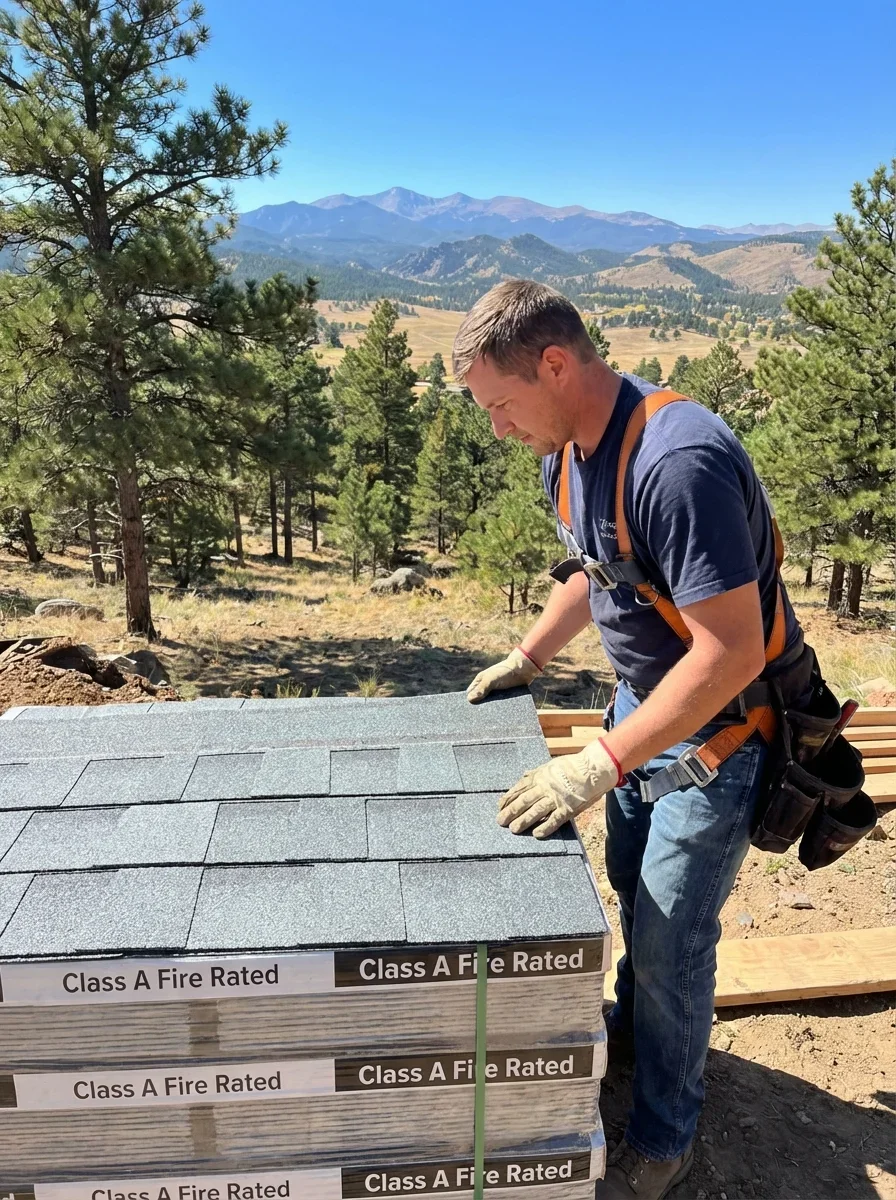
Fire rating drives the biggest cost variable. Class A pressure-treated shakes cost $4-6/sqft more than untreated wood, but they're mandatory in most Colorado mountain communities[1][3] and qualify for insurance premium reductions of 10-15% in wildfire zones.
Grade selection adds $1-2/sqft. Premium vs. standard cedar. Clear vs. knotty.
Installation Complexity and Labor
Roof pitch, access challenges, and complexity drive labor costs. A simple 4/12 pitch ranch in Aurora costs far less per square than a 12/12 pitch mountain home in Estes Park with multiple valleys and dormers.
Complex roofs with skylight installation or intricate flashing details add 20-30% to baseline costs.
Key cost factors:
- Roof size (economies of scale kick in above 2,500 sqft)
- Pitch steepness (8/12 or greater requires additional safety equipment and time)
- Number of penetrations, valleys, and dormers
- Accessibility for material staging and debris removal
- Current roof condition (multiple layers increase tear-off costs $2-3/sqft)
Fire Rating Premium Costs
Expect to pay $15,000-$27,000 for a typical 1,500 sqft roof with Class A treated shakes in Colorado. This includes tear-off, new underlayment, proper ventilation, and installation. Budget an additional 15-20% for homes in Thornton, Longmont, or Greeley with steeper pitches or complex layouts.
Untreated cedar runs $12,000-$19,500 for the same roof where still permitted. But it carries regulatory risk and shorter lifespan.
Compare this to $8,000-$13,000 for quality asphalt in our asphalt shingles vs metal roofing comparison.
Get Colorado-specific pricing based on material, region, and roof size.
How Cedar Shake Roof Installation Works
Professional installation takes 3-7 days for a typical residential roof in Colorado, weather permitting. The process demands specialized knowledge.
Cedar shakes require specific spacing, underlayment, and fastening techniques that differ significantly from asphalt shingle roofing.
Roof Preparation and Tear-Off
Contractors strip existing roofing down to the deck, inspecting sheathing for water damage or rot common in older Colorado homes. Any compromised decking gets replaced before new installation begins.
This phase typically takes 1 day for standard-pitch roofs.
Underlayment and Ventilation Requirements
Colorado's freeze-thaw cycles demand robust moisture barriers. Crews install synthetic underlayment (far superior to traditional felt in high-altitude conditions) with ice-and-water shield at eaves, valleys, and penetrations.
Proper ventilation spacing prevents condensation buildup that accelerates wood decay. Critical in Colorado Springs and Pueblo where temperature swings exceed 50°F daily in winter.
Shake Installation and Finishing
Installers hand-nail each shake with specific exposure rates. Typically 7.5" for 18" shakes, 10" for 24" shakes.
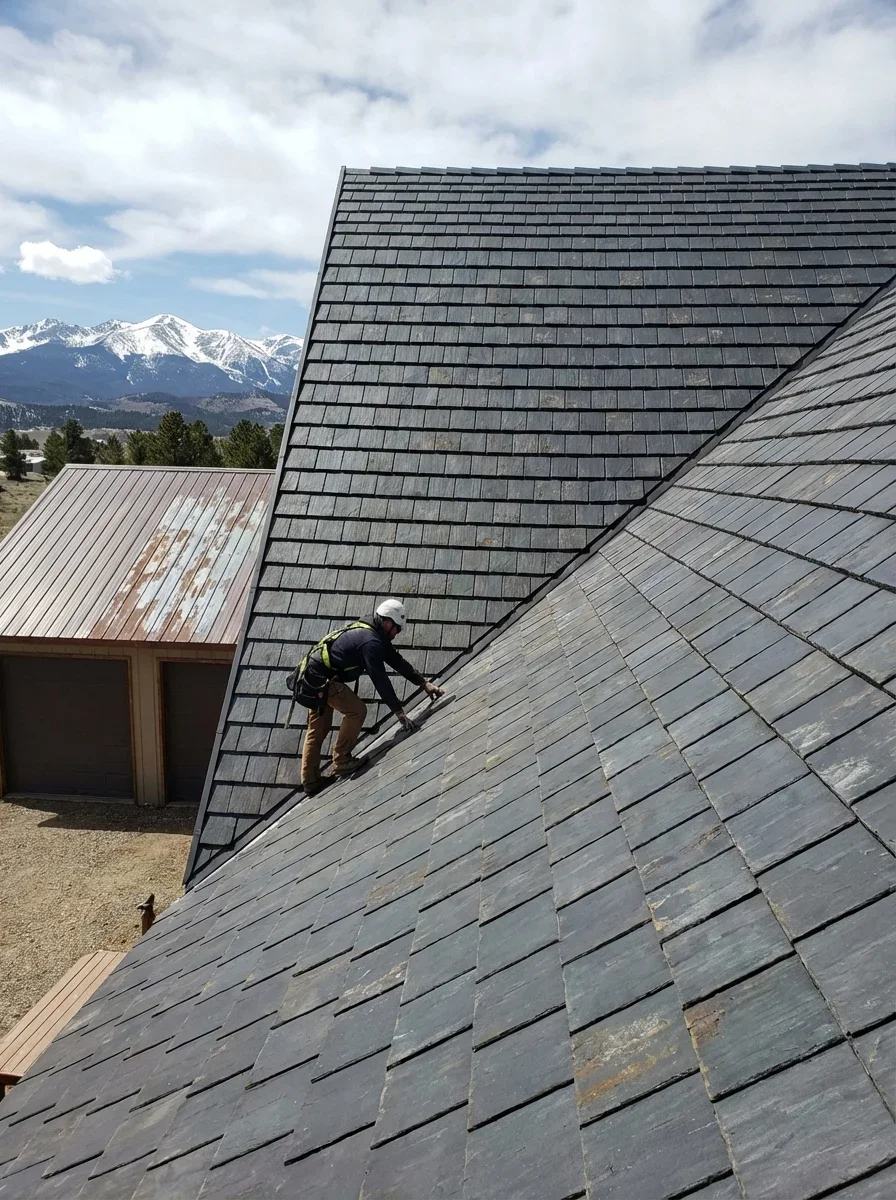
Fire-rated treated shakes require additional care. Pressure-treated wood splits more easily if overdriven. Ridge caps, valleys, and flashing receive extra attention since these failure points drive most roof leak repair calls in years 10-15.
| Installation Phase | Timeline | Key Consideration | |---|---| | Tear-off and deck prep | 1 day | Identify rot early | | Underlayment and flashing | 1 day | Ice-and-water shield critical | | Shake installation | 2-4 days | Weather-dependent scheduling | | Final inspection and cleanup | 0.5 day | Code compliance verification |
Schedule installation May through October. Colorado's unpredictable spring snow and early winter storms create installation delays and compromise adhesive performance.
How to Choose a Cedar Shake Roofing Contractor
Cedar shake installation requires specialized skills that most general roofers lack. Colorado has no state roofing license, so contractor quality varies dramatically.
Use these criteria to separate experienced cedar specialists from generalists.
Questions to ask:
- How many cedar shake roofs have you installed in the past 3 years? (Look for 10+ projects minimum)
- Do you hold municipal licenses where required (Denver Supervisor Certificate, local permits)?
- Can you provide references from cedar shake projects in my county or fire district?
- What underlayment and ventilation system do you specify for Colorado's climate?
- How do you handle fire rating compliance and building department inspections?
- What warranty covers both materials and labor (look for 5-year workmanship minimum)?
Red flags to avoid:
- Contractors who don't discuss fire rating requirements or claim "any cedar works"
- Prices significantly below $12/sqft installed (corners will be cut)
- Unwillingness to provide Colorado Roofing Association (CRA) membership or references
- Pressure to use their "preferred" inspector or skip permit processes entirely
Colorado Licensing and Insurance Requirements
Verify general liability insurance ($1M minimum) and workers' compensation coverage before any work begins. Request certificates directly from the insurer.
Check for Colorado Roofing Association membership. It's the closest credential to professional certification Colorado offers.
Fire-prone counties often require additional documentation showing Class A fire rating compliance. Your contractor should handle permit applications and arrange building department inspections as part of their scope.
Cedar Shake Experience and Portfolio
Ask to see completed projects with before/after photos. True specialists will show detailed valley work, ridge cap installation, and flashing techniques — not just finished roof glamour shots.
Request contact information for 3-5 recent clients and actually call them. Ask about timeline adherence, worksite cleanup, and warranty responsiveness.
Compare 3-5 qualified contractors using our directory. The lowest bid rarely delivers the best value with cedar shake installations.
Craftsmanship separates roofs that last 15 years from those reaching 35+.
Frequently Asked Questions
- International Code Council (adopted by Colorado). "Wildland Urban Interface Code." https://up.codes/viewer/colorado/ibc-2018/chapter/5/general-building-heights-and-areas#5. Accessed April 08, 2026.
- Colorado State Forest Service, Colorado State University Extension. "Colorado State Forest Service - Wildfire Mitigation Resources." https://csfs.colostate.edu/wildfiremitigation/. Accessed April 08, 2026.
- Colorado Division of Fire Prevention and Control. "Building Codes and Standards - Division of Fire Prevention and Control." https://dfpc.colorado.gov/sections/building-codes-and-standards. Accessed April 08, 2026.
Related Articles
Need Help With Your Project?
Join 500+ homeowners we've helped