
What You Actually Pay for a Roof Inspection in Colorado
Standard residential roof inspections in Colorado run $150 to $350 for homes under 2,500 square feet with straightforward access and common materials like asphalt shingles. Larger homes (3,000+ square feet), steep pitches above 8/12, or multi-level rooflines push costs toward $400 to $500. Inspectors charge for their time, liability, and the detailed reporting you need for insurance claims or real estate transactions.
The Front Range corridor sees the most competitive pricing because inspector density is high. Mountain communities above 8,000 feet often add $50 to $100 to base rates due to longer drive times and shorter working seasons.
If you're scheduling during the June-to-August hail season when every roofer in the state is slammed with insurance work, expect to pay a premium or wait three to six weeks for an appointment.
Free inspections exist, but they come with strings. Many contractors offer no-cost storm damage assessments because they're betting on landing the repair or replacement job. That's not inherently dishonest, but you're getting a sales call disguised as an inspection. If you need an unbiased report for a home purchase or warranty claim, paying for an independent inspector is the smarter route.
Inspection Types and What They Cost
General roof inspections are the $150 to $250 baseline. An inspector walks your roof, checks flashing and penetrations, photographs trouble spots, and hands you a written report. This is what most buyers order during due diligence or what you schedule as part of annual maintenance.
Post-storm hail inspections cost the same upfront but often lead to supplemental reports if the inspector finds damage requiring documentation for your insurance carrier. Some restoration contractors offer these free because they know hail claims in Colorado average $12,000 to $18,000 in repair work.
You're not paying cash, but you are entering a business relationship with a company that profits from finding damage.
Thermal imaging or drone inspections add $100 to $200 to the base price. Infrared cameras spot moisture intrusion invisible to the naked eye, which is critical if you suspect a slow leak in a low-slope or flat roof. Drones let inspectors document steep or multi-story roofs without walking them, reducing liability and speeding up the process. Not every home needs this technology, but it's standard for commercial buildings and high-end residential properties.
Pre-listing or buyer inspections for real estate transactions typically cost $250 to $400 because they include more detailed reporting and photos formatted for title companies and lenders. Inspectors know these reports end up in legal files, so they're more thorough and conservative in their assessments.
| Inspection Type | Typical Cost | Best For | What You Get |
|---|---|---|---|
| General Inspection | $150–$250 | Annual maintenance, basic assessments | Visual walk-through, photo documentation, written report |
| Post-Storm Hail | $150–$250 (often free) | Insurance claims after hail events | Detailed damage documentation, impact measurements, claim support |
| Thermal/Drone | $250–$450 | Steep roofs, moisture detection, flat roofs | Infrared moisture mapping, aerial documentation, no-walk safety |
| Pre-Listing/Buyer | $250–$400 | Real estate transactions | Comprehensive reporting, legal-grade documentation, conservative assessments |
What Drives the Cost Up or Down
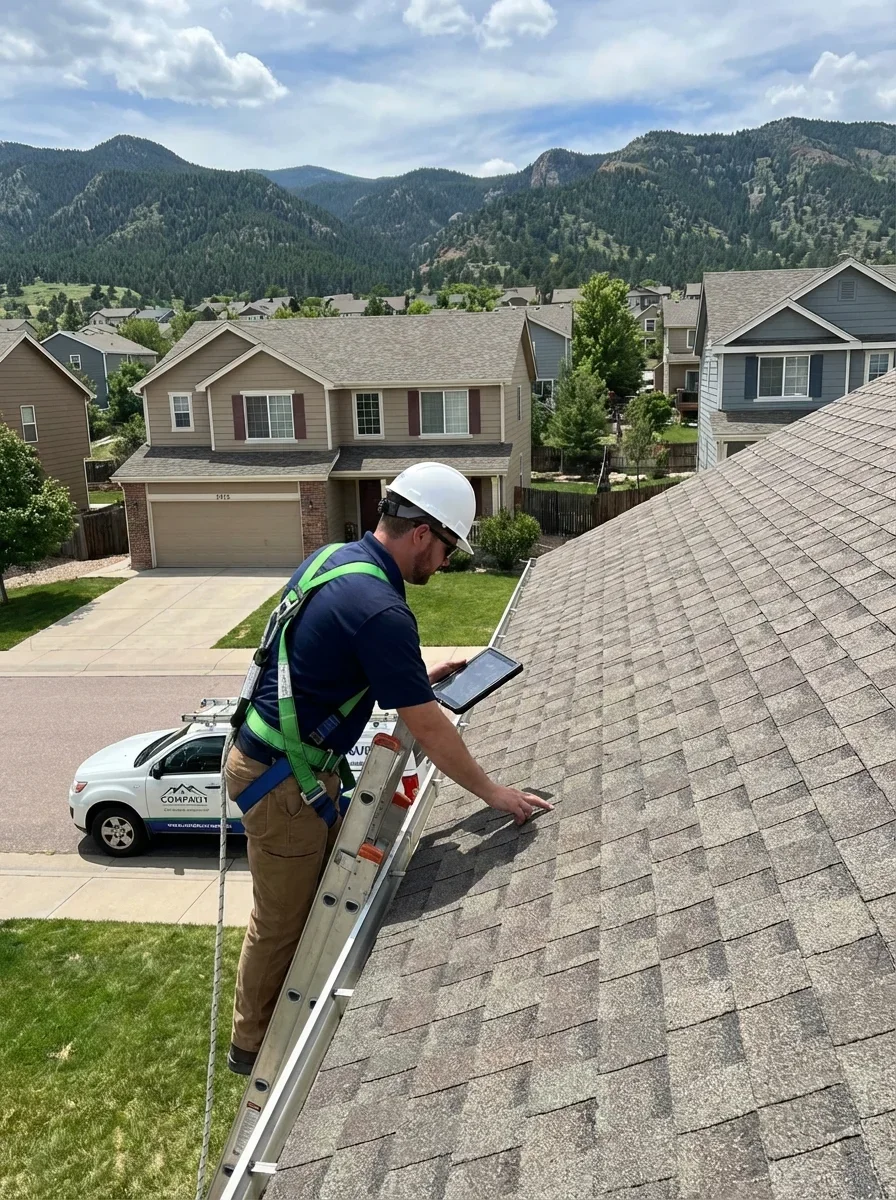
Roof size is the most obvious factor. A 1,200-square-foot ranch costs half what a 3,500-square-foot two-story with multiple valleys and dormers does.
Inspectors price by time on the roof, and complex layouts with multiple planes, skylights, and chimneys eat hours.
Pitch matters more than most homeowners expect. A 4/12 pitch is walkable with standard safety gear. An 8/12 or steeper requires harnesses, additional crew members for safety, and slower movement across the surface. If your roof is steep enough that the inspector considers it a fall hazard, you're paying for that risk.
Material type changes the inspection approach. Asphalt shingles are straightforward. Inspectors look for missing granules, cracked tabs, and lifted edges. Clay or concrete tile requires walking carefully to avoid breakage, which slows the process. Metal roofing inspections focus on fastener integrity and panel seams, and slate demands specialized knowledge because walking it improperly causes more damage than hail does. If your material is uncommon or fragile, expect to pay toward the higher end of the range.
Access is a hidden cost driver. A single-story home with clear perimeter access and no landscaping obstacles is easy. A three-story Victorian in a historic Denver neighborhood with mature trees, narrow side yards, and no driveway for a ladder setup means extra labor and equipment.
Inspectors charge for difficulty.
Geographic and Seasonal Pricing Variations
Denver metro pricing is the state benchmark. Colorado Springs and Fort Collins run about 5% to 10% lower due to slightly less market saturation. Boulder prices trend 10% to 15% higher because of stricter building codes and a higher concentration of older homes with unusual materials like slate and cedar shake.
Mountain communities add travel premiums. An inspector based in Denver who drives to Evergreen for a 90-minute round trip isn't charging you $150. Expect $300 minimum.
Mountain homes also skew larger and steeper, which compounds costs. If you're in a wildfire-risk zone where Class 4 impact-resistant shingles or metal roofing are mandated, your inspector needs familiarity with those materials, which narrows your pool of qualified candidates.
April through October is peak season, and that's when you'll pay the most and wait the longest. March and November are shoulder months. Inspectors are available, prices soften slightly, and you're scheduling before or after the hail chaos. December through February is slow season in the industry, but weather limits what inspectors can document. Snow cover hides damage, ice makes walking roofs dangerous, and frozen sealants mask leaks. You can get a visual inspection from the ground, but it's not comprehensive.
Cost-Saving Timing Strategies:
- Best months: March, April, September, October (shoulder season availability, 10–15% lower rates)
- Peak pricing: June–August (hail season backlog, 3–6 week waits, premium rates)
- Winter limitations: December–February (ground-only inspections, weather delays, incomplete documentation)
- Day-of-week savings: Tuesday–Thursday bookings often cheaper than weekend emergency calls
What a Colorado Roof Inspection Actually Covers
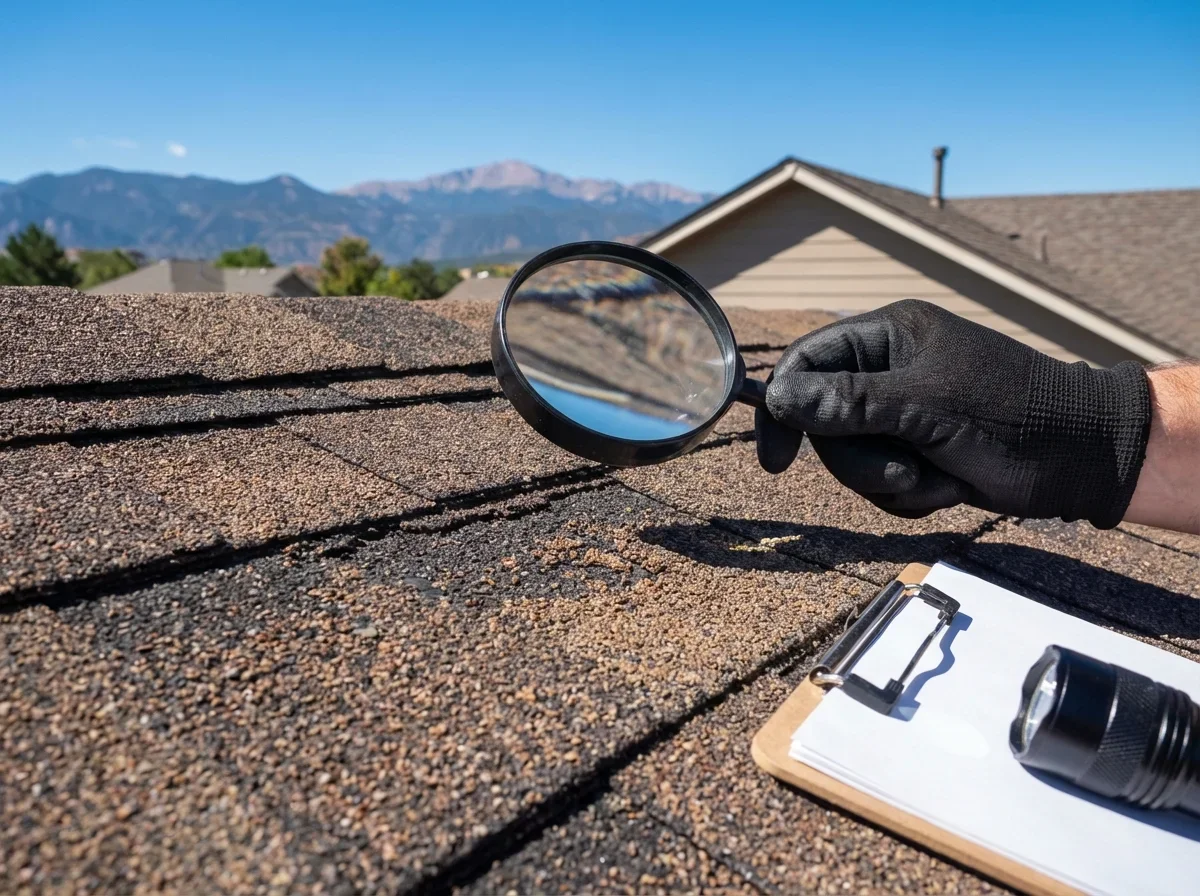
A legitimate inspection starts with a visual survey of the entire roof surface. Inspectors check shingle condition, looking for granule loss (accelerated by Colorado's 50% higher UV exposure at altitude), cracked or curling tabs, and wind damage. They document every penetration—chimneys, vents, skylights—because flashing failures at these points cause 80% of leaks in Colorado's freeze-thaw climate.
Valleys get extra scrutiny. Colorado's Front Range clay soil shifts with moisture changes, moving foundations and stressing rooflines. That movement cracks valley flashing and opens seams where two roof planes meet.
Inspectors photograph these zones and note whether repairs are needed now or can wait a season.
Inspectors walk the perimeter to check fascia, soffits, and gutter attachment points. Ice dams are common in Colorado winters when snow melts during the day and refreezes at night, and the damage shows up in rotted fascia boards and detached gutters. If you have a history of ice dam problems, your inspector should note whether your attic ventilation and insulation are adequate.
Inside the attic, inspectors look for daylight penetration through the decking, water stains on rafters, and mold growth. Colorado's low humidity means mold is less pervasive than in humid climates, but any moisture intrusion in an attic signals a current or recent leak. They'll also check ventilation baffles and insulation depth, which directly affect ice dam risk and energy efficiency.
What the Report Includes
You should receive a written report within 24 to 48 hours. At minimum, it includes:
- Roof age estimate based on material condition and visible wear
- Remaining lifespan projection—critical for budgeting replacements
- Photographic documentation of damage, wear patterns, and trouble spots
- Repair recommendations with urgency ratings (immediate, within 6 months, monitor)
- Code compliance notes if your roof predates current Colorado building codes for fire ratings or wind resistance
If the inspection is for insurance purposes, the report should include detailed measurements of hail impact points, dent diameters, and hit density per 100 square feet. Colorado carriers often require this level of documentation before approving claims, especially after widespread storm events when adjusters are overwhelmed.
When You Need a Roof Inspection (and When You Don't)
You need an inspection after every significant hail event if you carry comprehensive homeowner's insurance. Colorado averages seven hail events per year along the Front Range, and missing the claim window (typically 12 months from the storm date) means paying for repairs out of pocket.
Even if you don't see obvious damage from the ground, hail impacts on the north-facing slopes or behind parapet walls aren't visible without getting on the roof.
Pre-purchase inspections are non-negotiable in Colorado real estate. The median home age in the Denver metro is 1985, which means many roofs are on their second or third lifecycle. A seller's disclosure that says "roof is fine" doesn't tell you whether the $18,000 replacement is two years out or ten. Spend $250 now to avoid inheriting a $25,000 problem.
Annual inspections make sense if your roof is over 15 years old or if you've had prior leaks. Colorado's UV exposure and temperature swings age materials faster than coastal or temperate climates. A roof rated for 25 years in Houston might give you 18 to 20 in Denver. Catching small issues—a lifted shingle, a cracked boot around a vent pipe—costs $150 to $400 in repairs. Ignoring them until water stains appear on your ceiling costs $3,000 to $8,000 in decking replacement and interior repairs.
You probably don't need an inspection if your roof is under five years old, was installed by a reputable contractor, and hasn't been hit by hail or wind events. Modern Class 4 impact-resistant shingles hold up better than older products, and the first five years are generally trouble-free unless installation was shoddy.
Red Flags That Trigger an Immediate Call
Visible sagging anywhere on the roofline signals structural failure. Either water-logged decking or compromised trusses from snow load. Colorado's mountain zones require roofs to handle 30 to 50 pounds per square foot of snow, but age and hidden leaks weaken that capacity.
Granules collecting in your gutters or downspouts mean your shingles are losing their protective coating. At altitude, UV degradation happens faster. Once granules are gone, the asphalt mat underneath cracks and fails within months.
Daylight visible through your attic boards or water stains on rafters after a rain or snowmelt event require immediate inspection. Leaks don't improve with time, and Colorado's dry climate means by the time you notice interior damage, the roof has been compromised for weeks or months.
Pro Tip: Photograph your roof from the same angles every spring and fall. Compare year-over-year images to spot subtle changes in shingle color, granule loss, or valley wear that develop too slowly to notice month-to-month. This creates a visual timeline that strengthens insurance claims and helps inspectors identify accelerated aging patterns.
How to Avoid Overpaying or Getting Scammed
Colorado doesn't require a state roofing license, which means barrier to entry is low and storm chasers flood the market after every hail event.[2] Verify that any inspector or contractor is registered with your municipality. Denver, Colorado Springs, Aurora, and Fort Collins all have local licensing requirements. Check registration at colorado.gov/dora and confirm workers' comp and liability insurance before anyone steps on your roof.
Free inspections aren't inherently scams, but understand the business model. Restoration contractors offering free hail damage assessments are looking for insurance work.
If you want an unbiased evaluation, hire an independent inspector with no financial stake in the repair outcome. Expect to pay $250 to $400 for that objectivity.
Get the scope in writing before the inspector arrives. What's included? How many photos? Will you receive a written report or just a verbal summary? If the inspection is for an insurance claim, confirm the inspector has experience with Colorado roof insurance claims and knows what documentation carriers require. An incomplete report means you'll pay for a second inspection when your adjuster requests more detail.
Questions to Ask Before You Book
How long have you been inspecting roofs in Colorado? Experience with the state's specific challenges—hail, UV damage, clay soil movement—matters more than generic roofing knowledge.
What's your process for documenting hail damage? Colorado carriers increasingly require impact measurements and hit density counts. An inspector who just takes wide-angle photos won't give you the evidence you need for a claim.
Do you carry errors and omissions insurance? If an inspector misses critical damage and you face a denied claim or failed transaction, E&O coverage protects you. Not all inspectors carry it, and that should factor into your decision.
Can you provide references from recent Colorado inspections? Ask for three. Call them. Ask whether the report was thorough, delivered on time, and useful for its intended purpose.
Getting the Most Value from Your Inspection Investment
Schedule in the shoulder seasons—March, April, September, or October—when inspectors have availability and rates are competitive. You'll skip the summer rush when every roofer is booked six weeks out and charging peak pricing.
Be present during the inspection if possible. Walk the property with the inspector, ask questions, and learn what to monitor over the next year. Most inspectors are happy to educate homeowners, and you'll gain insights that help you catch small problems early.
Request high-resolution photos with your report. These become your baseline for tracking future wear. If you file an insurance claim two years later, having dated documentation of your roof's prior condition strengthens your case that the damage is new and storm-related.
If the inspection reveals minor repairs—a few lifted shingles, a loose flashing corner—handle them immediately. Small fixes cost $200 to $600.
Waiting until those issues cascade into leaks costs ten times that. Colorado's climate doesn't forgive deferred maintenance.
What Happens After the Inspection
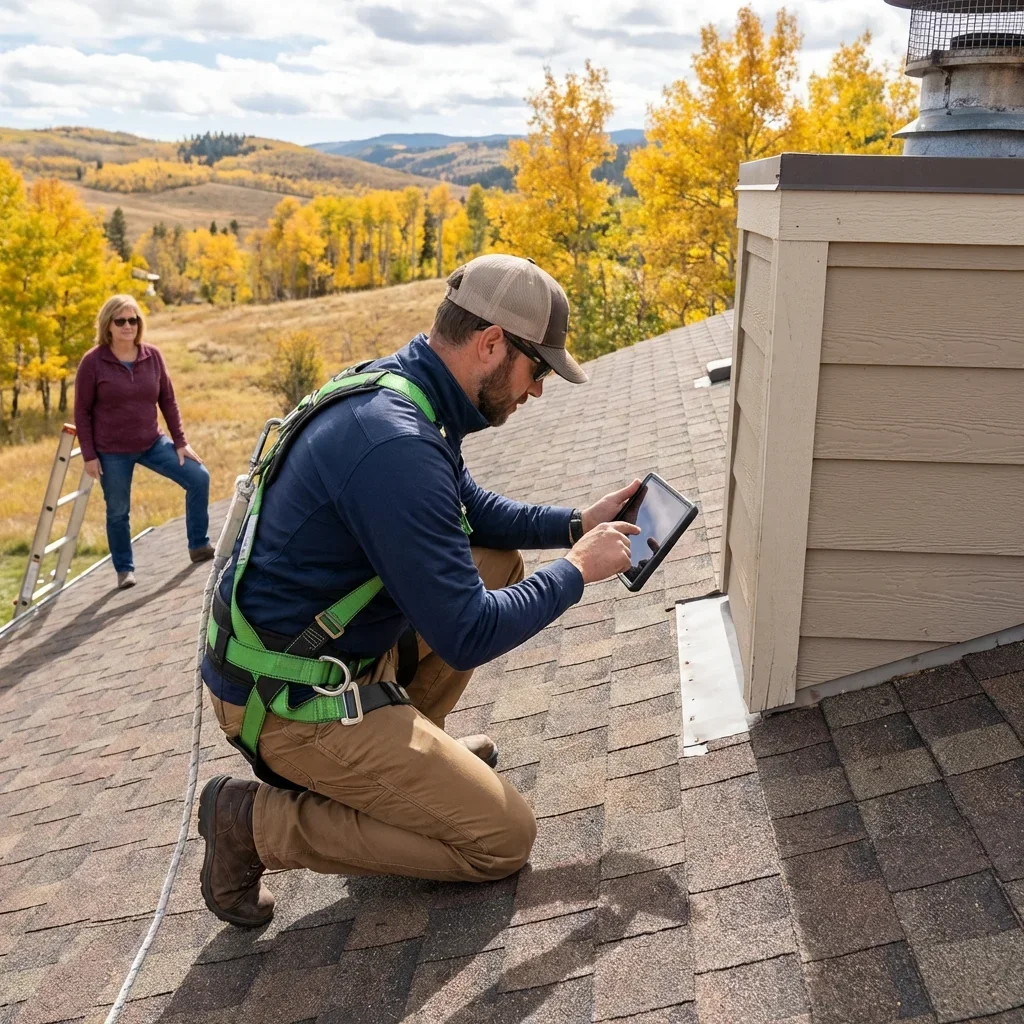
If the report shows your roof is in good shape, file it with your home records and use it to track aging. Note the inspector's estimated remaining lifespan and set a calendar reminder to budget for replacement when the time comes. Knowing you have three years versus ten years changes your financial planning.
If damage is documented, you have decisions to make. Minor repairs can be handled immediately by any qualified contractor. Major damage requiring insurance claims means you'll need to contact your carrier, provide the inspection report, and schedule an adjuster visit. Colorado carriers typically respond within 7 to 14 days for non-emergency claims, longer after widespread hail events.
If you're buying a home and the inspection reveals issues, use the report to negotiate. A roof with three to five years of remaining life is a legitimate concession point in Colorado's real estate market. Buyers often request a price reduction equal to the prorated replacement cost or ask the seller to complete repairs before closing.
For older roofs flagged as near end-of-life, start getting quotes for replacement before you're forced into an emergency situation. Colorado's installation season is short in mountain areas and backlogged after hail events.
Planning six months ahead gives you negotiating power and lets you avoid the premium pricing that comes with urgent timelines.
What Changes Based on Your Roof Type
Asphalt shingle inspections are the state standard and the baseline for our $150 to $350 pricing. Most inspectors are comfortable with this material, and the evaluation process is well-established.
Metal roofing requires checking fastener integrity, panel seam condition, and coating wear. Colorado's 300 days of sunshine fade paint and degrade cheaper coatings within ten years. A metal roof inspection should specifically address UV damage and whether a re-coat is needed to extend lifespan. Inspectors familiar with metal typically charge $200 to $400.
Tile roofing—clay or concrete—is common in Spanish-style homes and upscale developments. Inspectors must walk carefully to avoid breakage, which slows the process and increases cost. They check for cracked tiles, failed underlayment, and whether the roof deck is adequate for the weight. Tile inspections run $300 to $500 because the material is unforgiving and requires specialized knowledge.
Flat or low-slope roofs need moisture surveys, not just visual checks. Ponding water is the enemy of flat roofs, and Colorado's freeze-thaw cycles turn standing water into structural damage fast. Thermal imaging is almost mandatory for flat roofs, adding $100 to $200 to the base cost.
If you have a flat roof, budget $350 to $500 for a thorough inspection that includes infrared scanning.
Slate is rare but present in historic Denver neighborhoods and high-end mountain properties. Walking slate improperly breaks tiles, so inspectors often use drones or binoculars for initial assessment, only accessing the roof if absolutely necessary. Slate inspections cost $400 to $600 because few inspectors have the expertise, and the liability risk is high.
Frequently Asked Questions
Get Colorado-specific pricing based on material, region, and roof size.
- Colorado Secretary of State. "Code of Colorado Regulations #5702 - Building and Fire Code Enforcement Fees." https://www.sos.state.co.us/CCR/GenerateRulePdf.do?ruleVersionId=5702. Accessed April 08, 2026.
- Colorado Department of Regulatory Agencies (DORA) - State Roofing Board. "Residential Roofing Guide." https://dpo.colorado.gov/Roofing/Residential/Documents/Roofing_Guide.pdf. Accessed April 08, 2026.
- Colorado Department of Local Affairs - Division of Housing. "Building Code Enforcement Fees (Schedule B)." https://cca.colorado.gov/building/building-fee-schedule. Accessed April 08, 2026.
- International Code Council (ICC) - Colorado Adopted Codes. "International Building Code Adoption and Local Amendments." https://up.codes/codes/colorado. Accessed April 08, 2026.
- Colorado State University Extension. "Roofing Materials and Installation Guidelines." https://extension.colostate.edu/topic-areas/structure-housing/roofing-1-612/. Accessed April 08, 2026.